


Why Strength Is the New Longevity Metric: What Your Grip Tells You About Your Future

A neurosurgeon on why your strength is a window into your overall health, what the data actually shows, and what to do with it.

Written By Dr. Betsy Grunch

Reviewed By Dr. Eric Trexler

Key Takeaways

  • Strength is one of the most powerful predictors of how long you'll live and how well you'll live, but it's not on most people's lab work or annual physical
  • A 1.1 million-person study of young men found that the strongest tenth had 20 to 35% lower premature mortality than the weakest tenth, an effect size comparable to the impact of BMI or blood pressure
  • A 2018 meta-analysis pooling roughly 2 million men and women confirmed the same pattern broadly, across both sexes and across populations
  • Grip strength is an INDICATOR of underlying health, not a direct lever. Training your grip does not extend your life. Training your full-body strength and eating enough protein produces the grip-strength reading as a side effect
  • Adults 40+ should target 1.2 to 1.6 grams of protein per kilogram of body weight per day, with the higher end especially important to offset age-related anabolic resistance and preserve muscle. Hitting your protein target becomes more important with age, not less

"You're never too old to be strong. You can build strength, muscle, and resilience well into your 70s and 80s."

Dr. Betsy Grunch, MD, neurosurgeon and creator of ladyspinedoc

01

Strength Is a Vital Sign (You Just Aren't Checking It)

The Problem: We measure cholesterol because it predicts cardiovascular events. We measure blood pressure because it predicts strokes. We do not measure strength, despite the fact that it strongly predicts a long list of health outcomes you care about.

The science: A landmark 2012 cohort study followed roughly 1.1 million Swedish young men over 24 years, with baseline strength measured in their late teens. The strongest tenth had a 20 to 35% lower risk of premature death from any cause and from cardiovascular disease compared to the weakest tenth. The effect size for all-cause mortality was so large that it was on par with well-established risk factors like elevated BMI or blood pressure.

Practical tips

  • Treat strength like a vital sign. Get a baseline. Most physical therapists, primary care offices with athletic populations, and sports medicine clinics can do a quick grip-strength reading
  • Don't wait until something is wrong to assess your strength. The mid-life window (40s and 50s) is when most people first notice a meaningful drop, and it's also when intervention has the most leverage
  • If your annual physical doesn't include any strength assessment, ask for one. It's a reasonable request
02

Two Million People, Same Answer

The Problem: The Ortega study is great, but it's also Swedish, male, and young. The reasonable question for anyone who isn't in that demographic, especially women who are routinely told that lifting is a men's sport, is: does this apply to me?

The science: A 2018 systematic review and meta-analysis pooled data from roughly 2 million adults across multiple studies and populations to test exactly that. Muscular strength was independently associated with lower all-cause mortality risk in apparently healthy adults, and the relationship held across both sexes. This isn't a single-cohort finding or a population-specific quirk. It applies to women as squarely as it applies to men, and it's one of the most robust patterns in epidemiology.

Practical tips

  • The strength-mortality relationship isn't specific to a gender, population, or ethnicity. The "I'm a woman, I don't need to lift" framing is wrong; the data is just as strong in women
  • The strongest evidence is for muscular strength as a global category (grip, leg, full-body), not for any single lift. The category is what matters, not the specific exercise used to quantify it
03

The Mid-Life Window Where This Really Matters

The Problem: The young-adult data is striking, but the ramifications get more clinically relevant as we get older. At age 53, does your strength actually tell you anything useful about the next decade? The answer is unequivocally yes, and the evidence is sobering.

The science: A 2014 British birth cohort study followed 2,766 men and women, measuring grip strength, chair rise speed, and standing balance time at age 53, then tracking mortality over the next 13 years. The bottom fifth of physical capability had a 3.68 times higher mortality rate than the top fifth, even after adjusting for baseline health and demographics. Participants who couldn't perform any of the three tests had 8.4 times the mortality rate of those who could perform all three. The combined picture (grip + chair rise + balance) was a stronger predictor than any single measure alone. This isn't just about your grip. It's about the broader physical capability picture your grip reflects.

Practical tips

  • The capability picture matters more than any single number. Grip strength is one signal; chair rise speed and standing balance are equally informative. Test all three at home (instructions in Section 05)
  • These measures start to shift fastest at age 50 and beyond. If you're in that window, strength is the data point that matters most for your next decade
04

Why "Train Your Grip" Misses the Point

The Problem: The most common mistake in the wellness industry’s response to this data is to treat the indicator as the lever. People hear "grip strength predicts mortality" and start doing grip-focused exercises, thinking they're directly buying themselves more years. That isn't how the relationship works.

The science: Grip strength is a proxy for full-body muscular strength and overall health. People with strong grips tend to have more total muscle mass, more daily activity, better nutrition, less frailty, and more resilient cardiovascular systems. Training the grip in isolation does NOT change that underlying picture. What does change it is full-body resistance training combined with adequate protein. The PROT-AGE international consensus paper established 1.0 to 1.2 grams of protein per kilogram of body weight per day as the floor for adults over 65, with 1.2 to 1.5 g/kg/day for those exercising or managing chronic disease. More recent evidence and clinical practice have converged on a slightly higher target of 1.2 to 1.6 g/kg/day for adults focused on preserving lean mass with age, with the higher end of that range especially important to offset age-related anabolic resistance. Older adults often need more protein than younger adults, not less, because of age-related changes in how efficiently the body uses dietary protein. Combine that protein intake with two to three resistance training sessions a week, and the grip-strength reading takes care of itself, alongside the underlying health it reflects.

Practical tips

  • Don't train your grip in isolation. Train your whole body. The grip strength will follow
  • For adults 40 and over, target 1.2 to 1.6 grams of protein per kilogram of body weight per day, with the higher end especially important to offset age-related anabolic resistance. Some older adults, especially those training hard or managing chronic disease, may benefit from intakes above 1.6 g/kg/day
  • Two to three short resistance training sessions a week (think pushing, pulling, squatting, hinging, carrying) is the floor. You don't need a barbell. You don't need to lift heavy from day one. You need a starting point

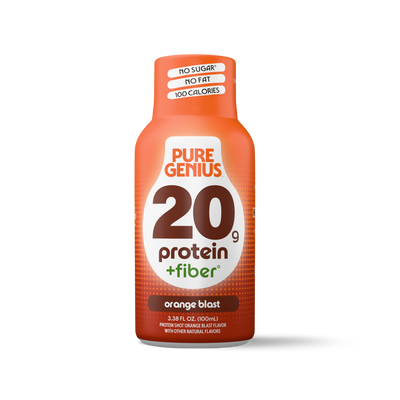
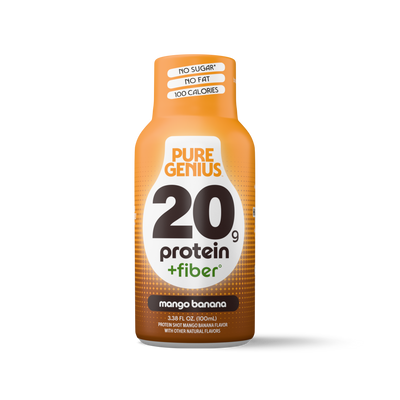
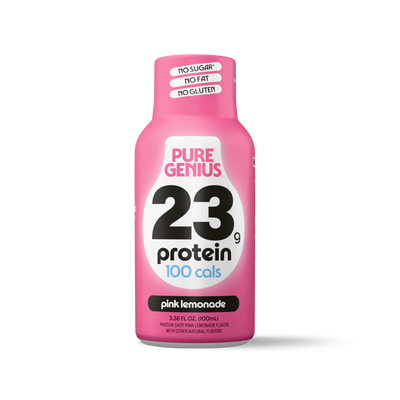
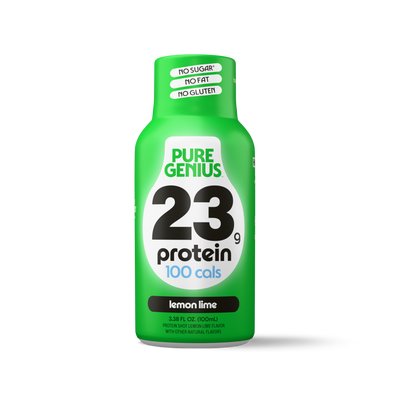
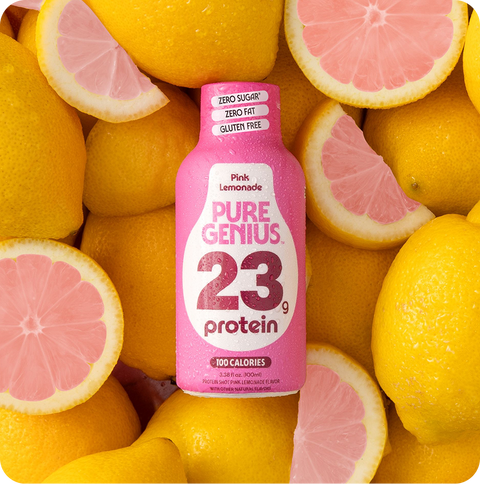
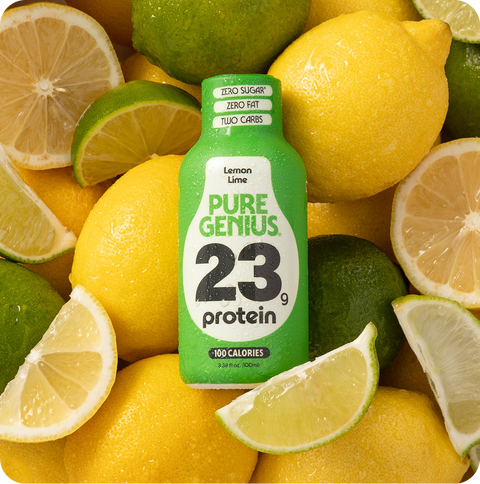
"Adults over 40 should target 1.2 to 1.6 g/kg of protein per day, with the higher end especially important to preserve muscle as you age. A clean protein shake makes hitting that target practical instead of effortful. 20+ grams of complete protein per serving, no artificial sweeteners, no fillers."

USE CODE LADYSPINEDOC FOR UP TO 35% OFF YOUR FIRST ORDER.

05

How to Measure Yourself at Home (and What to Do With the Number)

The Problem: You can't act on what you don't measure. Most people have no idea where they stand on any of these strength measures. The numbers feel abstract because nobody has ever put a real benchmark in front of them.

The science: The Cooper/Strand 2014 study established that three simple capability tests, measured together, predict mortality better than any one alone. Home-friendly versions of those tests have been further validated by additional research, including a 2022 study in the British Journal of Sports Medicine showing that the inability to hold a 10-second one-legged stance independently predicted mortality in adults over 50, even after adjusting for age, sex, BMI, and comorbidities. Each test below is a snapshot, not a target.

Practical tips

A 5-minute home assessment:

  • Chair rise test. Sit in a standard chair with a straight back and no arm rests, stand fully without using your arms, sit back down, and repeat. Count how many repetitions you can do in 30 seconds. The CDC fall-prevention framework uses age- and sex-specific cutoffs; as a rough guide, healthy midlife adults should be able to hit comfortable double digits without relying on their arms
  • Standing balance test. Stand on one leg without holding anything. Time it. The 2022 Araujo study used 10 seconds as the validated mortality-prediction threshold; inability to hold a 10-second single-leg stance is independently associated with higher mortality risk in adults over 50
  • Grip strength. A hand dynamometer at most gyms or PT offices gives you a real reading. You can even find some inexpensive options online if you want your own. Without one, a dead hang from a pull-up bar is a rough proxy. The trend over time matters more than any single number

Three important notes:

  • These numbers are a current snapshot, not a verdict
  • The intervention is the strength training and protein, not "improve the chair rise number." The chair rise improves when the underlying capacity does
  • If you are at elevated risk of falls or fractures, consult with a medical professional to determine how to safely assess your strength

The Bottom Line

Strength is one of the most powerful longevity metrics we have, and almost nobody is measuring it. That's the first move: actually know where you stand. The chair rise and standing balance tests take five minutes and don't require equipment.

The second move is to understand what the number is telling you. A weak grip or a slow chair rise isn't a thing to fix in isolation. It's a window into your overall health, and path to improvement is full-body strength training plus adequate protein.

The third move is to start. You're not too old. The PROT-AGE consensus exists because the field has spent two decades pushing back on the idea that protein needs drop with age. They don't. If anything, hitting your protein target becomes more important than ever. Strength in your 70s and 80s is built in your 40s, 50s, and 60s, and it is buildable from where you are right now.

About The Author

Dr. Betsy Grunch is a board-certified neurosurgeon and spine specialist known online as ladyspinedoc. She combines surgical expertise with a passion for making complex science accessible, especially for women navigating demanding careers, frequent travel, and long-term health.

Dr. Grunch has been featured across major health and wellness platforms and brings a rare combination of operating room precision and real-world practicality to everything she shares.

Follow Dr. Betsy Grunch: @ladyspinedoc on Instagram & TikTok

Has travel ever completely derailed your eating? Drop where you are in the comments.