


5 Science-Backed Ways to Feel Less Tired

A Harvard-trained, double board-certified doctor shares what she tells her patients and what finally worked for her.

Written By Dr. Amy Shah

Reviewed By Dr. Eric Trexler

Key Takeaways

  • Your eating schedule matters as much as what you eat, and aligning meals with your circadian clock can improve energy.
  • Morning light, just 10–15 minutes, resets your body clock and is one of the fastest, free tools for all-day energy.
  • A consistent wake time, not bedtime, anchors your sleep rhythm. Skipping it on weekends creates 'social jet lag.'
  • Most adults don't get enough protein, and going hours without it causes your body to break down muscle and destabilize blood sugar, both drivers of fatigue.
  • Chronic low-grade gut inflammation quietly drains energy. Fiber, probiotic foods, and less processed sugar can improve this faster than many expect.

“I used to tell myself that exhaustion was just the price of a full life. With two kids, a medical practice, and a book, I was tired. Then I started asking why, the same way I'd ask a patient. The answers were simpler than I expected. They weren't found in a supplement aisle or a sleep tracker. They were in the research I'd been reading for years; I just hadn't applied them to myself.”

Dr. Amy Shah
Double board-certified MD, author of I'm So Effing Tired, I’m So Effing Hungry, and Hormone Havoc

01

Align Your Eating With Your Body Clock

The problem: Most people eat on a schedule that fights their biology. Late dinners, skipped breakfasts, and midnight snacking all send confusing signals to the systems that regulate energy.

The science: Your body runs on a circadian rhythm, a 24-hour internal clock that governs sleep, metabolism, digestion, and hormone release. When your eating is out of sync with that clock, energy suffers. You’re not lazy; your body clock is out of sync.

Dr. Amy's practical tips:

  • Stop eating 2–3 hours before bed
  • Front-load your calories and protein earlier in the day
02

Fix Your Light — Morning and Night

The problem: We've engineered light into every hour of the day, and it's affecting our energy. Blue light at night tells your brain it's still noon. A lack of morning light tells it to stay asleep. Both work against you.

The science: Light is the primary signal that resets your circadian clock each day. Blue light suppresses melatonin, the hormone that controls your sleep-wake cycle, and pushes your rhythm later. The result is grogginess in the morning and feeling wired at night.

Dr. Amy's practical tips:

  • Get 10–15 minutes of natural light within 30 minutes of waking
  • Avoid bright screens for 2 hours before bed
  • Dim red light is the least disruptive at night; consider a lamp swap in the bedroom
03

Take Your Wake Time More Seriously Than Your Bedtime

The problem: Most people focus on what time they go to bed. Research shows that the more important number is what time you wake up and whether that time is consistent. Sleeping in on weekends feels like recovery, but it can set you back.

The science: Waking at the same time every day anchors your circadian rhythm. Irregular wake times create what researchers call 'social jet lag,' which is linked to fatigue, mood disruption, and metabolic issues. Your body doesn't know it's Saturday.

Dr. Amy's practical tips:

  • Set a consistent wake time, even on weekends, and protect it
  • If you must nap, keep it to 20–30 minutes before 3 PM
  • A little caffeine can help in the morning, but avoid it in the afternoon and evening
04

Stop Going Hours Without Protein

The problem: Most of my patients aren't close to their daily protein needs. When they go hours without it, their bodies start compensating by breaking down muscle for fuel, destabilizing blood sugar, and triggering fatigue that coffee doesn’t fix.

The science: Protein is not just for athletes. It is the raw material your body uses to make hormones, neurotransmitters, and muscle tissue. It helps control hunger and supports blood sugar regulation. Long gaps can make these processes harder to maintain, leading to sluggishness, cravings, and the typical 3 PM crash.

Research shows that nearly 46% of adults over 50 are not meeting their daily protein needs, and waiting until dinner to eat protein accelerates muscle loss, which compounds fatigue over time.

Dr. Amy's practical tips:

  • Aim for at least 25–30 grams of protein at your first meal, before 10 AM if possible
  • If you can't eat a full meal, find a fast, portable source you'll actually reach for

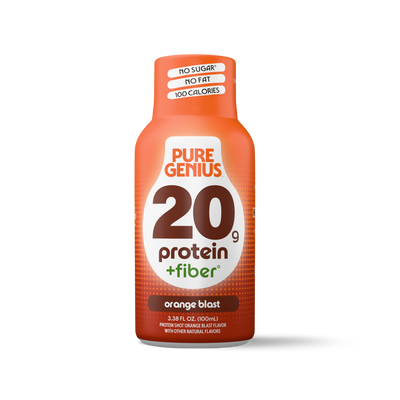
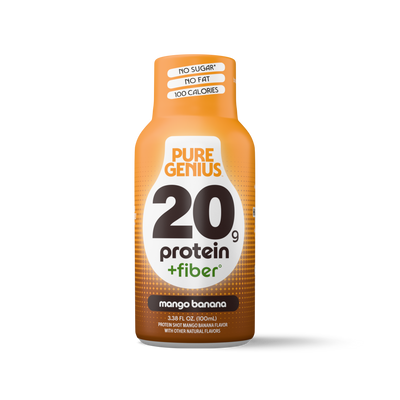
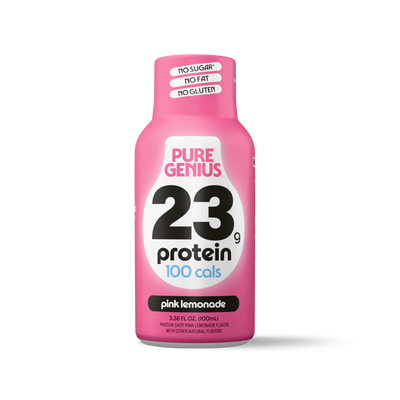
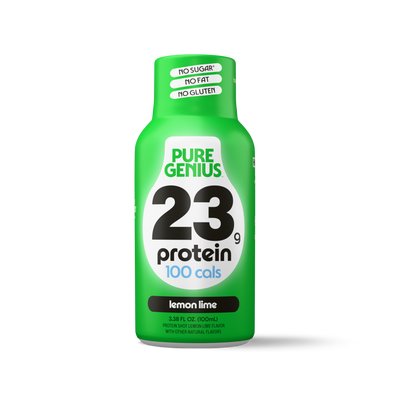
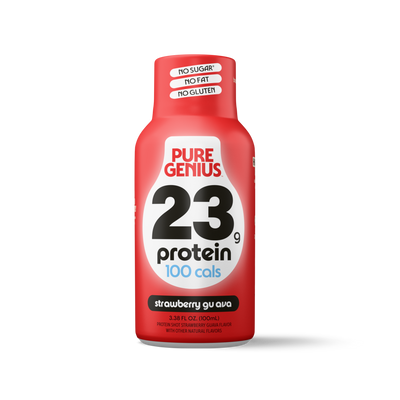
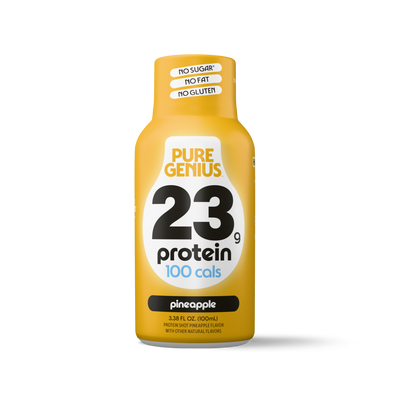
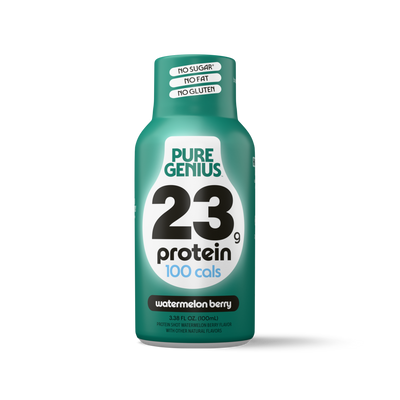
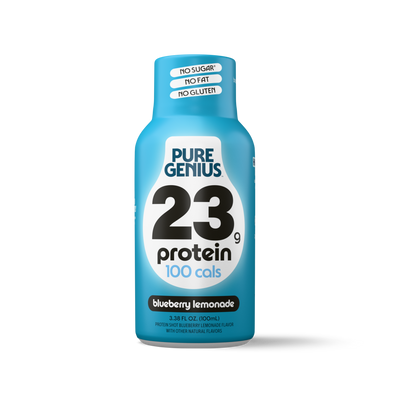
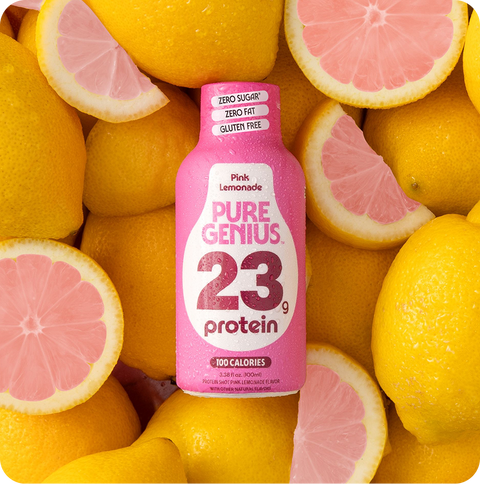
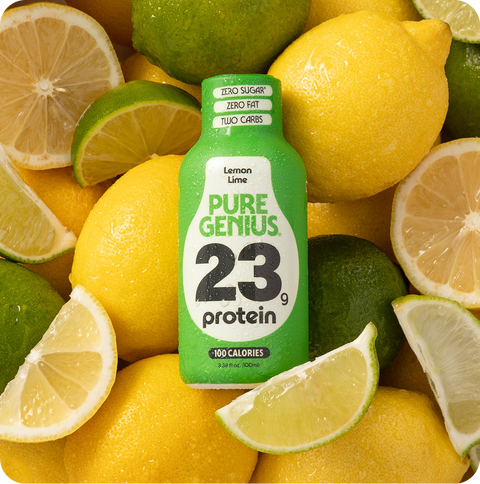
 "One of the easiest ways I've found to close the protein gap — without cooking, blending, or planning ahead — is a Pure Genius Protein shot. 23 grams of clean, doctor-formulated protein in seconds."

USE CODE DRAMYSHAH 
FOR UP TO 35% OFF.

05

Reduce Low-Grade Inflammation in Your Gut

The problem: Chronic fatigue isn't always about sleep; sometimes it's about inflammation. Much of it starts in the gut. A disrupted microbiome creates systemic low-level inflammation that taxes your immune system and drains energy at the source. You can't out-sleep an inflamed gut.

The science: The gut, immune system, and hormones are interconnected, what I call the 'energy trifecta' in my book I'm So Effing Tired. Disruption in any one of these systems can promote fatigue that feels difficult to resolve. Supporting the gut with fiber, probiotic foods, and reduced processed sugar can improve energy relatively quickly.

Dr. Amy's practical tips:

  • Eat 30 grams of fiber daily, mostly from vegetables, legumes, and whole foods
  • Include 3 probiotic-rich foods per day (such as fermented foods like yogurt, kimchi, kefir, etc.)
  • Reduce ultra-processed foods and added sugar, which are the primary drivers of gut inflammation

The Bottom Line

Exhaustion isn't your identity; it is often a signal. Your body is indicating that something is out of sync. The five factors above – circadian eating, morning light, a consistent wake time, regular protein, and gut health – are foundational for sustained energy.


You don't need to do all five at once. Start with one. Start with whichever one makes you say, "I already know I don't do that." That's the one.

About The Author

Dr. Amy Shah is a double board-certified medical doctor, integrative health expert, and bestselling author of I'm So Effing Tired, I’m So Effing Hungry, and Hormone Havoc. With training from Harvard, Columbia, and Cornell, she specializes in the intersection of gut health, hormones, and immunity, and how these influence energy.

Known for making complex science feel actionable, Dr. Shah has helped thousands of patients and followers reclaim their energy without overhauling their entire lives. She's been featured in Forbes, mindbodygreen, Well+Good, and more.

Follow Dr. Amy: @dramyshah on Instagram | www.amymdwellness.com

If you want to learn more about your hormone health, check out Dr. Amy Shah's latest book, Hormone Havoc, on Amazon

If you want to learn more about your hormone health, check out Dr. Amy Shah's latest book, Hormone Havoc, on Amazon