




Why Healthy Eating Is So Hard When You Travel, And a Neurosurgeon’s Tips to Make It Easier

A neurosurgeon who travels frequently explains what’s happening in your body when you travel and the small habits that make a difference.

Written By Dr. Betsy Grunch

Reviewed By Dr. Eric Trexler

Key Takeaways

  • Feeling unwell after travel is not a willpower problem, it’s a biological one. Understanding the biology allows you to work with it
  • When you’re on the go, protein stabilizes blood sugar better than any other single food choice. You don’t need a perfect diet. You need that one anchor.
  • The “rules don’t apply here” feeling is a documented brain pattern, not a character flaw. A small portable system can interrupt it

“As a neurosurgeon, I spent years grabbing whatever I could between cases, usually something out of a hospital lounge or vending machine, and then wondering why my own health never quite lined up with everything I knew as a physician. Even when I traveled, same story. I understood the science. I teach the science. But I wasn’t executing it consistently. And it finally hit me, this wasn’t about discipline. It was about the environment I was in… and what that environment was doing to my body."

Dr. Betsy Grunch, MD
Neurosurgeon and creator of ladyspinedoc

01

Sleep Takes a Hit, Here’s How to Protect It

What's happening: Research suggests that even one poor night of sleep can shift your hunger hormones. In a controlled study, the hormone that triggers hunger (ghrelin) spiked by up to 28%, while the hormone that signals fullness (leptin) dropped by up to 18%. So you're genuinely hungrier after a bad night, you need more food to feel satisfied, and your brain steers you toward high-fat, high-sugar options. That's not a lack of willpower. That's your body doing exactly what disrupted sleep tells it to do.

Why it matters: Most people come home from a trip having eaten badly and think they lost control. What actually happened is their hunger system was chemically altered overnight. This is one of the most well-documented connections in sleep research and one of the most freeing things to understand. You didn’t fail. Your hormones responded to disrupted sleep.

What helps

  • Keep your wake time consistent, even when traveling. This stabilizes your body clock more effectively than anything else
  • Set the hotel room to 65–68°F. Your core temperature needs to drop to enter deep sleep, and a cooler room supports that
  • Pack an eye mask and neck pillow. Blocking light and supporting your neck removes two of the biggest sleep disruptors on planes and in unfamiliar rooms
  • Give yourself grace the day after a red-eye. Your hunger signals aren’t broken; they’re just responding to what happened overnight. Plan for it instead of fighting it.
02

Blood Sugar Gets Unstable, Protein Is Your Best Stabilizer

What's happening: Airport and travel food is largely built around fast carbohydrates, sandwiches, snack bags, muffins, fruit-heavy smoothies. These spike your blood sugar quickly and then drop it just as fast. That crash is what creates the “I’m cranky, foggy, and exhausted” feeling on a long travel day. It’s not just tiredness. It’s your blood sugar swinging around in an environment that makes it really hard to eat well.

Why it matters: Protein is one of the best things you can eat to keep blood sugar stable. It digests slowly, doesn’t cause a spike-and-crash cycle, and keeps you full in a way that actually lasts. My rule on travel days is simple: eat protein first, at every meal, before anything else on the plate. You don’t need a perfect diet. You just need that one anchor.

What helps

  • Eat protein first at every meal on travel days, eggs in the morning, and a protein source before carbohydrates at lunch or dinner
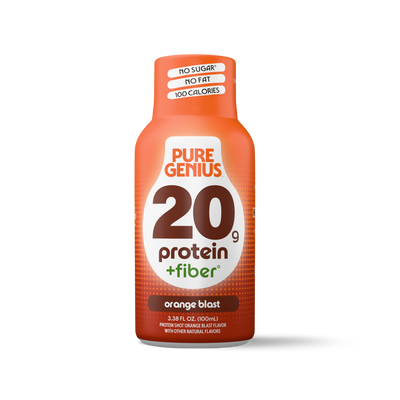
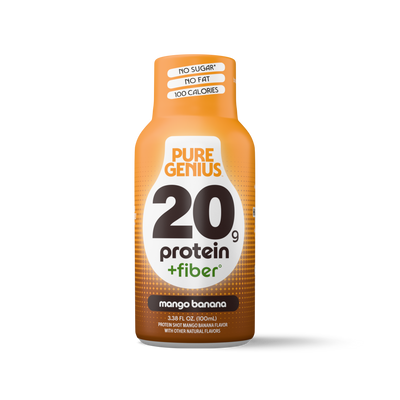
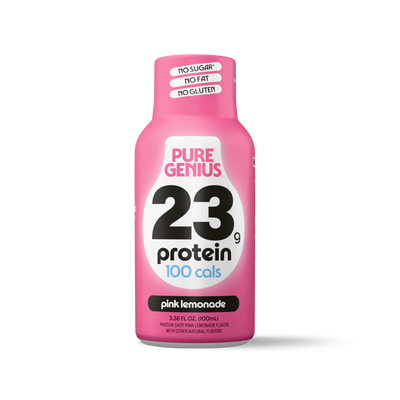
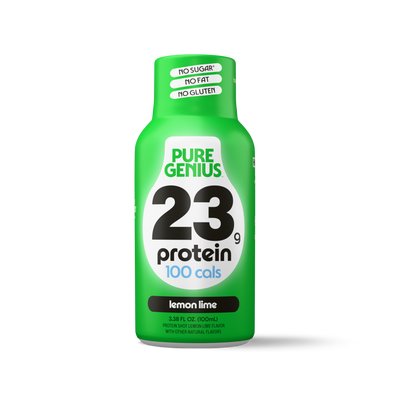
  • Keep a portable protein option in your bag before you get to the airport. Make the decision before the environment makes it for you
  • When you feel a crash coming: reach for protein, not more carbs. More carbs will spike and drop you again. Protein will stabilize
  • Aim for 25–30 grams of protein at your first meal of the day to support stable blood sugar for several hours
03

Your Brain Hands You a ‘Permission Slip,’ You Can Outsmart It

What's happening: There’s a reason your healthy habits feel harder to keep up when you’re away from home. Your eating habits aren’t just habits. They’re tied to the specific environment you built them in. Your kitchen, your grocery store, your routine. When those cues disappear, the habits weaken. On top of that, your brain starts offering what psychologists call a ‘permission slip’: you’re tired, you’re somewhere new, you’ve been working hard. The internal voice says: the rules don’t apply right now. That’s not weakness. It’s a documented brain pattern.

Why it matters: Trying harder in the moment doesn’t fix this. You can’t willpower your way around a cue that simply isn’t there. The solution is a small, portable system that travels with you, so your anchor exists even when everything else has changed. One consistent behavior is enough. It doesn’t have to be perfect.

What helps

  • Pick one non-negotiable that travels with you. Mine is protein at every meal, whether I’m in the operating room or at an airport. The habit isn’t tied to my kitchen. It’s tied to the behavior.
  • Make food decisions before you’re depleted. Pack something or plan something before you get to the gate, not while you’re standing in front of Hudson News at 6 a.m.
  • Expect the permission slip feeling and name it when it shows up. Recognizing it as a brain pattern, not a truth, takes some of its power away.
  • One anchor point is better than zero. You don’t need a perfect travel day. You need one thing that holds

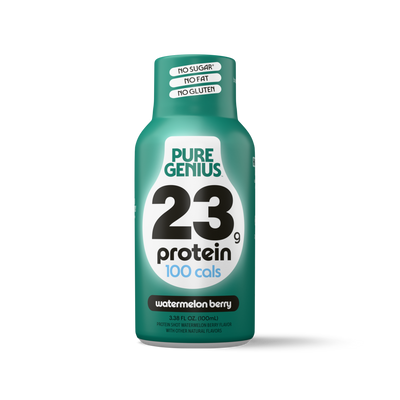
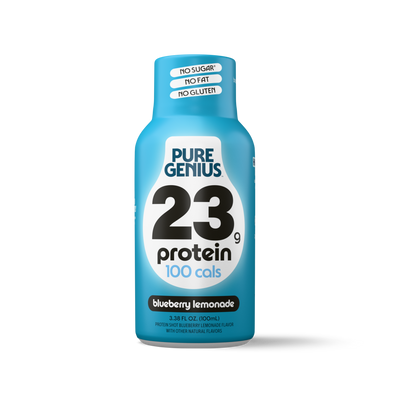
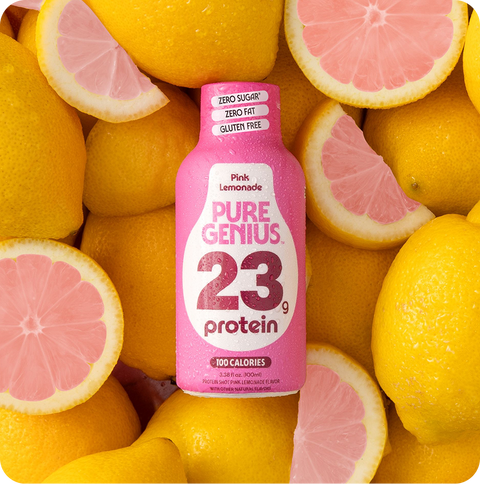
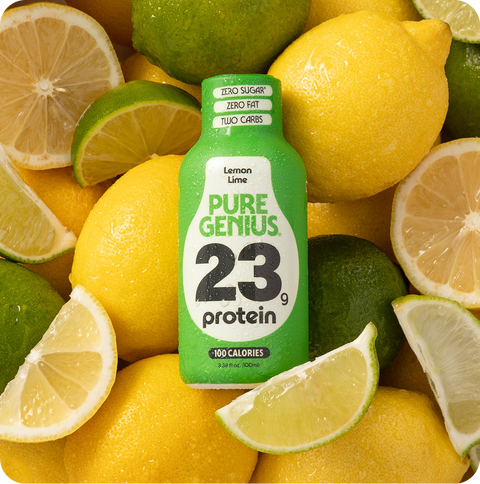
"Traveling is exactly the use case Pure Genius was designed for. When your options are a $16 airport wrap or a bag of pretzels, having 23 grams of clean protein already in your bag changes everything. No blender, no refrigeration, no prep — fits in a carry-on and done in 10 seconds."

USE CODE LADYSPINEDOC FOR UP TO 35% OFF YOUR FIRST ORDER.

The Bottom Line

Travel will still be hard. The food will still be mediocre. Sleep will still get disrupted. But understanding what your body is going through, and having a few plans in place to anchor your habits, means you land differently. You recover faster. And you stop blaming yourself for a biological response.

I’ve been that person eating a sad airport wrap at 6 a.m., wondering where my standards went. I still have those days. The difference now is I know why it happened, I’m not spiraling about it, and I’m back on track by the next meal.

Pick one thing from this list. Just one. That’s enough to start.

About The Author

Dr. Betsy Grunch is a board-certified neurosurgeon and spine specialist known online as ladyspinedoc. She combines surgical expertise with a passion for making complex science accessible, especially for women navigating demanding careers, frequent travel, and long-term health.

Dr. Grunch has been featured across major health and wellness platforms and brings a rare combination of operating room precision and real-world practicality to everything she shares.

Follow Dr. Betsy Grunch: @ladyspinedoc on Instagram & TikTok

Has travel ever completely derailed your eating? Drop where you are in the comments.