



How Many Steps a Day Actually Support Weight Loss? (The Honest Answer)

A board-certified neurosurgeon on what 10,000 steps was really invented for, and what the research says you actually need.

Written By Dr. Betsy Grunch

Reviewed By Dr. Eric Trexler

Key Takeaways

  • The 10,000-step goal came from a 1965 Japanese pedometer marketing campaign, not a study
  • Most of the mortality benefit from walking shows up between 6,000 and 8,000 steps a day, with returns plateauing above that
  • Walking alone rarely produces meaningful long-term weight loss because the body partially compensates for added activity
  • Without adequate protein and resistance training, walking-only weight loss includes too much muscle loss, which slows metabolism and drives regain
  • Protein intake of at least 1.3 g/kg/day during a calorie deficit reliably supports lean mass while you lose weight, with potential advantages at even higher intakes

"80% of weight loss is not necessarily exercise. It's what you're putting in your mouth every day. And that is something that you control."

Dr. Betsy Grunch, MD, neurosurgeon and creator of ladyspinedoc

01

The 10,000-Step Marketing Trick

The problem: Most people treat 10,000 steps as a science-backed target. It isn't. The number is a marketing artifact that became the default setting in modern fitness trackers.

The science: In 1965, the Japanese company Yamasa Tokei released the first commercial pedometer in the wake of the 1964 Tokyo Olympics, branded as the Manpo-kei, or "10,000 step meter." Harvard epidemiologist I-Min Lee, who has studied step counts and mortality more than almost anyone, has been blunt about the origin: "There were no actual studies that had looked at '10,000 steps'. It was a made-up number in the sense that 10,000 sounds good, it's easy to remember." That number became the global default before peer-reviewed research existed to support it. The science came along later, and it tells a more useful story.

Dr. Betsy's practical tips:

  • Stop using 10,000 as a moral measure. Hitting 8,000 isn't "almost good enough." It's already squarely in the high-benefit zone
  • Think in floor-and-ceiling terms instead: there's a clear floor below which steps don't deliver much, and a ceiling above which more steps produce diminishing returns. 8,000 steps isn’t the absolute ceiling, but it’s well above the floor and efficiently provides the lion’s share of the potential benefits
02

What Steps Actually Do (And Don’t Do) For Weight Loss

The problem: People expect a daily step goal to do the work of a diet. It almost never does.

The science: In a series of studies, evolutionary biologist Herman Pontzer at Duke documented what he calls "constrained energy expenditure": when you increase physical activity, your body partially compensates by lowering energy spent elsewhere, including basal metabolic rate. Researchers still debate over the granular details of the model, but the practical conclusion is consistent: exercise interventions without dietary change produce only small, slow weight loss. Despite consistent positive impacts on cardiovascular health, a systematic review in Progress in Cardiovascular Diseases found aerobic exercise alone typically yields 1 to 3% of body weight in fat loss over 6+ months. 

Walking is excellent for blood sugar, cardiovascular health, mood, sleep, and longevity. It's a poor standalone calorie-deficit tool. In short: meaningful for health, but marginal for the scale.

Dr. Betsy's practical tips:

  • Don't build your weight loss program around your step count. Your foundation is your protein intake, your portion sizes, and your sleep
  • Walk to improve your health and support your weight loss – not to replace the upstream work that creates the deficit in the first place
03

The Real Floor

The problem: If 10,000 isn't the target, what is?

The science: The cleanest answer comes from Paluch et al. (Lancet Public Health, 2022), the largest meta-analysis on the topic. The team pooled data from 47,471 adults to map the relationship between daily steps and all-cause mortality for two distinct age groups:

  • Adults under 60: mortality risk dropped progressively up to 8,000 to 10,000 steps per day, with the steepest gains between 4,000 and 7,000
  • Adults 60 and over: mortality risk dropped progressively up to 6,000 to 8,000 steps per day

Above those ranges, the curve flattens. The biggest jump in benefit comes from going from sedentary to moderately active, not from grinding out 2,000 more steps once you're already there.

Dr. Betsy's practical tips:

  • Under 60? Aim for 8,000 to 10,000 steps as a sustainable daily target
  • Over 60? Aim for 6,000 to 8,000
  • The first 4,000 are the most valuable. Going from 2,000 to 6,000 changes your health more than going from 8,000 to 12,000
  • The same study found that step intensity mattered less than total steps. Quantity beats cadence here. The same is true on the diet side: hitting your daily protein target matters far more than the macros of any single meal
04

Why Steps Alone Won’t Move The Scale Long-Term

The problem: Even if walking creates a small calorie deficit, you risk losing the wrong tissue. When most adults lose weight, 25 to 40% of the weight they lose is lean mass, not fat, unless they specifically protect it.

The science: Two interventions reliably preserve muscle during a calorie deficit, and both have to be working at once:

  1. The first is eating enough protein. One of the more striking demonstrations of this comes out of a university's exercise lab, where young men were put through four weeks of hard daily training while eating in a controlled calorie deficit. Those eating around 2.4 g of protein per kilogram of bodyweight actually added about a kilogram of lean mass while shedding nearly five kilograms of fat over the month. The group eating roughly half that protein dose held onto their muscle but didn't add any, and lost noticeably less fat in the same window. Overall, research in this area has landed on roughly 1.3 g/kg per day as the floor at which adults with overweight or obesity reliably stop losing muscle during a diet. For leaner individuals, that number may need to be even higher.
  2. Resistance training. A 2022 Obesity Reviews meta-analysis found resistance training preserves lean mass during caloric restriction better than aerobic exercise alone. 

The implication: walking is health insurance, not a body-recomposition tool. If the goal is to weigh less and keep your strength, walking has to ride alongside protein and resistance training. Otherwise the muscle you lose slows your metabolism and drives regain within a year.

Dr. Betsy's practical tips:

  • During weight loss, target at least 1.3 g/kg/day of protein. For a 150-lb adult, that's roughly 90g daily. For a 200-lb adult, closer to 120g
  • Add 2 to 3 days a week of resistance training. Bodyweight, bands, dumbbells, or a weighted-vest walk all qualify. You don't need a gym
  • Front-load protein at breakfast, where most people fall furthest behind

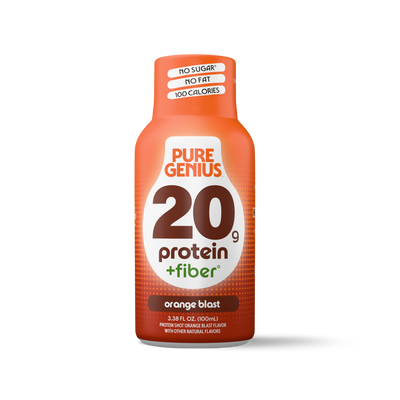
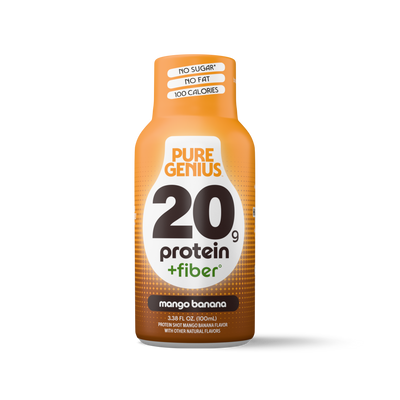
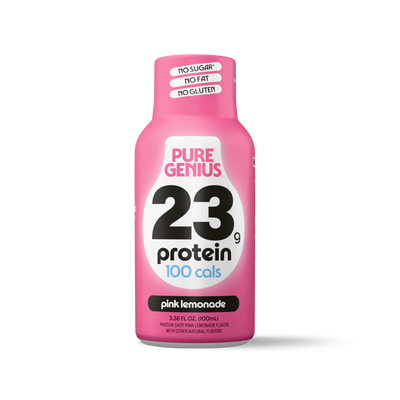
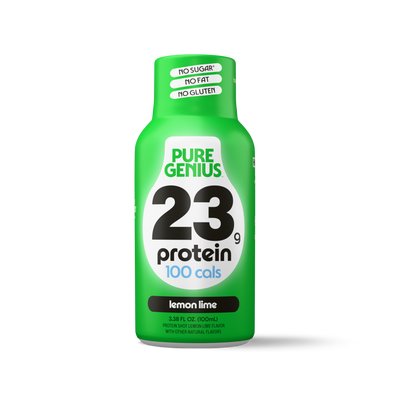
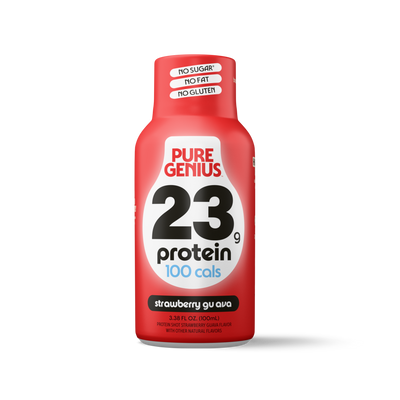
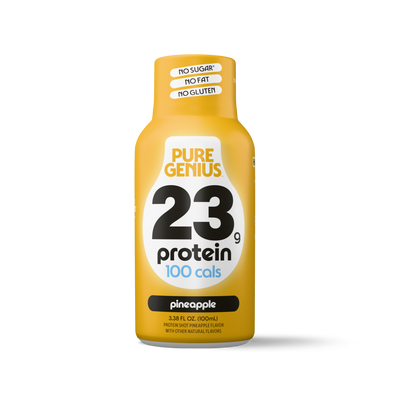
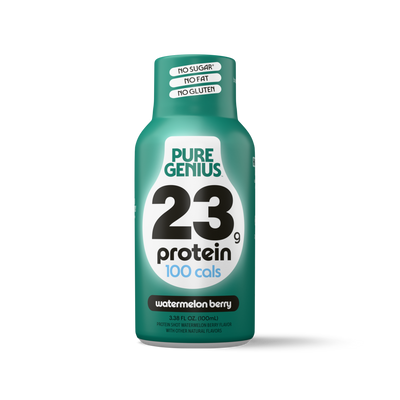
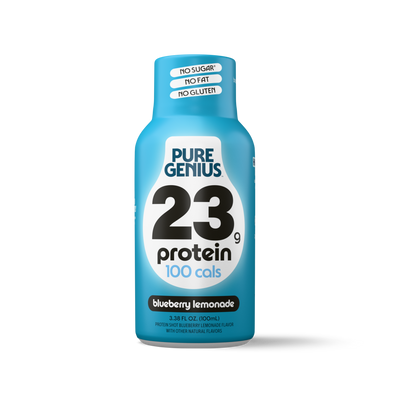
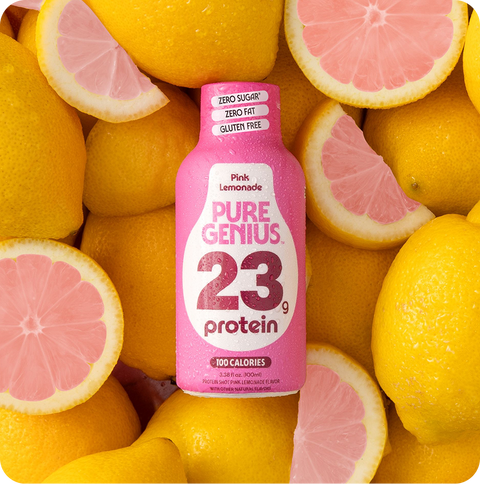
"Hitting the higher end of the 1.2 to 1.6 g/kg protein range during a deficit is the part most people quietly miss. Pure Genius Protein is built for the days when food alone doesn't get you there: a fast post-walk shake, a stir-in for breakfast oats, or an afternoon top-up when lunch ran light. 20+ grams of complete protein per serving, no artificial sweeteners, no fillers."

USE CODE LADYSPINEDOC FOR UP TO 35% OFF YOUR FIRST ORDER.

05

How To Actually Hit Your Steps

The problem: Most adults aren't moving enough, but the answer isn't to set a 10,000-step alarm and grind.

The science: Most daily steps come from NEPA, or non-exercise physical activity: walking to the kitchen, pacing on calls, errands, parking far from the building, and so on. We call the calories burned during this activity NEAT, or non-exercise activity thermogenesis.

NEAT can vary by 1,500 to 2,000 calories a day between sedentary and active lifestyles at the same body weight. The leverage point isn't the dedicated walk, it's the rest of the day.

Walking after meals has an extra benefit on top of the daily total. A 10-minute walk right after eating lowers the post-meal blood glucose peak more than a longer walk done later, and the effect compounds with protein-first eating.

Dr. Betsy's practical tips:

  • Walking meetings. Push calls, one-on-ones, and brainstorm sessions into a walk whenever possible
  • Park at the back of the lot. Take the stairs. Make two trips with the groceries instead of one
  • 10-minute walk after dinner. Most evenings that single habit is worth 800 to 1,200 steps and a flatter glucose curve

The Bottom Line

The honest answer about steps and weight loss is that walking is one of the most underrated investments in your overall health and one of the most overrated paths to fat loss. Aim for 8,000 to 10,000 steps a day if you're under 60, 6,000 to 8,000 if you're over. Hit those numbers because they holistically support your health and wellbeing, not because the scale will follow.

If the scale is the goal, walking is one piece of a stack. Adequate protein, some resistance training, portion control, and a real calorie deficit do the heavy lifting. Steps protect what those other four build.

About The Author

Dr. Betsy Grunch is a board-certified neurosurgeon and spine specialist known online as ladyspinedoc. She combines surgical expertise with a passion for making complex science accessible, especially for women navigating demanding careers, frequent travel, and long-term health.

Dr. Grunch has been featured across major health and wellness platforms and brings a rare combination of operating room precision and real-world practicality to everything she shares.

Follow Dr. Betsy Grunch: @ladyspinedoc on Instagram & TikTok

Has travel ever completely derailed your eating? Drop where you are in the comments.