


Calorie Deficit But Not Losing Weight: Reasons & Solutions

A double board-certified MD on what's really breaking your fat-loss math, and how to fix it without giving up.

Written By Dr. Amy Shah

Reviewed By Dr. Eric Trexler

Key Takeaways

  • Most adults underreport food intake by 30 to 50% and overreport activity by a similar amount, so the perceived "deficit" may not exist
  • Under-eating protein during a deficit causes muscle loss and a measurable drop in metabolic rate, which stalls fat loss within weeks
  • Sleeping under 6 hours a night cuts the fat portion of weight loss by more than half, even when calorie intake is identical
  • Weight loss isn't linear. Water, glycogen, and sodium can mask 1 to 2 weeks of real fat loss before the scale catches up

"Your metabolism may be hard to change, but it is regulated by hormones, and what you are eating may be causing those hormones to go out of whack, which in turn effs with your metabolism.”

Dr. Amy Shah
Double board-certified MD, author of I'm So Effing Tired, I’m So Effing Hungry, and Hormone Havoc

01

You're Probably Not In The Deficit You Think You're In

The problem: The most common reason a calorie deficit "isn't working" is that it isn't a calorie deficit. Self-tracked food intake is one of the least reliable measurements in clinical research, and the gap between what people report and what they actually eat widens as body weight increases.

The science: The cleanest demonstration is still a landmark 1992 NEJM study that used doubly-labeled water (the gold-standard measurement of energy expenditure) on adults who reported eating under 1,200 calories a day and still couldn't lose weight. Those participants underreported food by an average of 47% and overreported physical activity by 51%. The metabolism wasn't broken. The math was. More recent reviews put habitual underreporting at 10 to 45%, depending on body weight and tracking method.

Practical tips:

  • Weigh your food on a kitchen scale for two weeks. Volume estimation is where most of the error lives
  • Count cooking oils, dressings, drinks, and BLTs (bites, licks, tastes). They quietly add 200 to 500 calories on most days
  • Average a full week before you trust the number. Calorie intake fluctuates from day to day, so you need a full week to get the entire picture

02

Your Daily Movement Has Quietly Dropped

The problem: Most people don't realize how much less they move at 45 than at 25. The walking commute became a parking-lot walk. The standing job became a desk. Saturday hikes became Saturday errands. Each shift feels small. Together they take a meaningful bite out of how many calories you burn in a day, and they're the most common reason a deficit that "used to work" doesn't anymore.

The science: The folk wisdom is that metabolism slows in middle age. The data don't support that. A 2021 study pooled doubly-labeled-water data – the gold standard for measuring energy expenditure – from more than 6,400 people aged 8 days to 95 years. They found that total energy expenditure (adjusted for body size and composition) is essentially stable from age 20 to 60, then declines slowly after that. A large portion of the visible drop in calories burned through middle and late adulthood is driven by reductions in physical activity.

Most adults log meaningfully fewer steps at 50 than they did at 25, in addition to sitting longer and spending less time on their feet. It isn't a willpower failure. It's the cumulative effect of careers, parenting, longer commutes, and fatigue. But it does change the math. The same plate of food that landed you in a deficit at 25 can sit at maintenance today, simply because you gradually started burning fewer calories per day. That activity drop also chips away at muscle mass over the years, which compounds the problem at rest, and that's what the next section is really about.

Practical tips:

  • Track an honest week of steps and structured exercise. Under 6,000 daily steps with no resistance work means your "calories out" side has likely dropped meaningfully since your 20s
  • Add movement back where it quietly slipped: walking meetings, parking far, two strength sessions a week, a 10-minute walk after each meal
  • Don't just shrink calories further to compensate. Add the activity back as well

03

You're Under-Eating Protein

The problem: A calorie deficit puts your body in an energy crunch. Without enough protein, your body breaks down its own muscle tissue to meet daily energy demands, and that muscle loss measurably lowers your resting metabolic rate. Within a few weeks, the deficit you're holding produces less and less fat loss because the engine burning the calories is shrinking.

The science: A controlled trial pairing a calorie deficit with intense exercise at two protein levels (1.2 vs 2.4 g/kg/day) found the high-protein group gained 1.2 kg of lean mass while losing 4.8 kg of fat in four weeks. The lower-protein group barely moved the needle for lean mass while losing significantly less fat. A 2024 meta-analysis confirmed that protein intake above 1.3 g/kg/day reliably helps preserve (and even build) muscle during weight loss. If you’re resistance training or struggling with hunger, you may benefit from even higher daily intakes. And how you divvy up your protein matters too – research has identified 25 to 35g per meal as the threshold for maximal muscle protein synthesis and meaningful satiety.

The implication: macronutrient mix matters as much as calorie total. A 1,500-calorie diet with 60g of protein produces a very different body composition than the same 1,500 calories with 130g.

Practical tips:

  • During weight loss, target at least 1.6 g/kg/day, and as high as 2.2 g/kg/day if you're training. For a 150-lb adult, that's 110 to 150g daily
  • Front-load protein at breakfast, where most people fall furthest behind
  • Add 2 to 3 days a week of resistance training. Bodyweight, bands, and dumbbells all count. The goal is to give your body a reason to keep the muscle

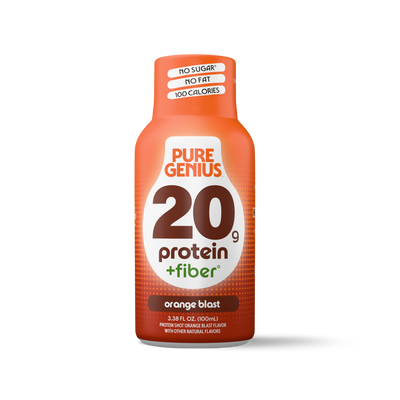
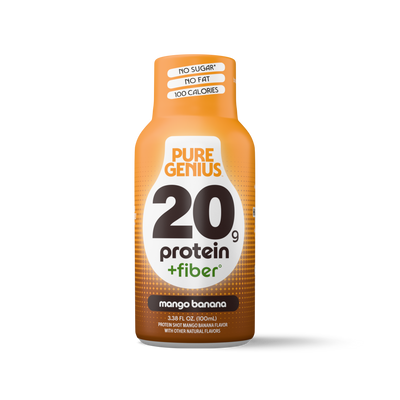
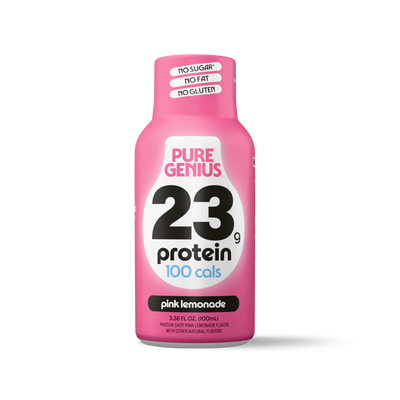
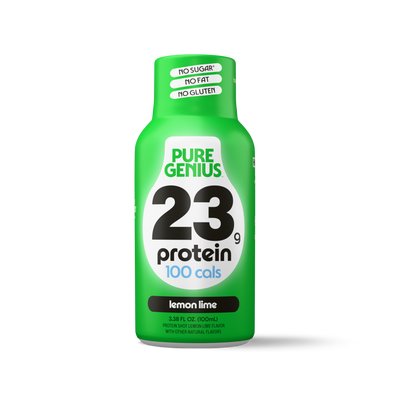
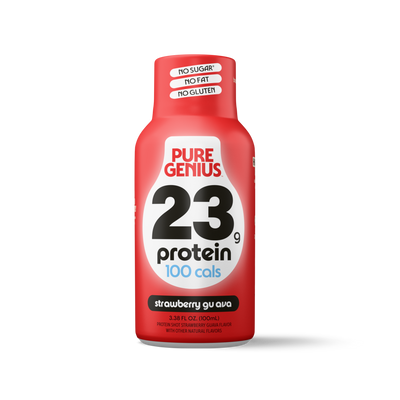
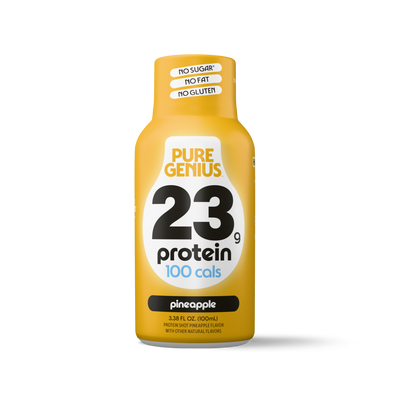
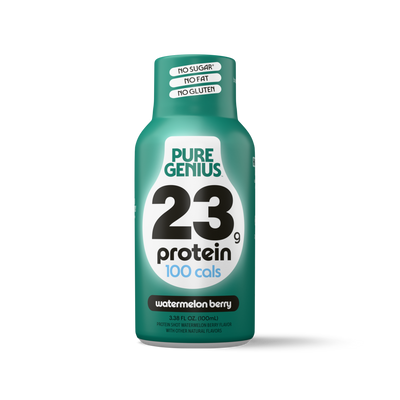
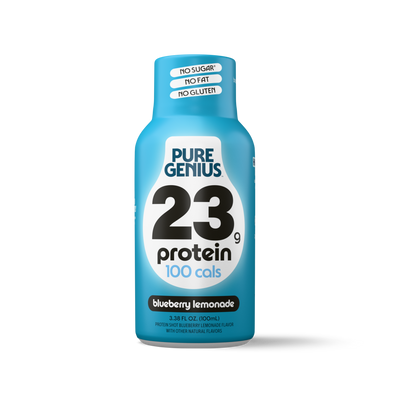
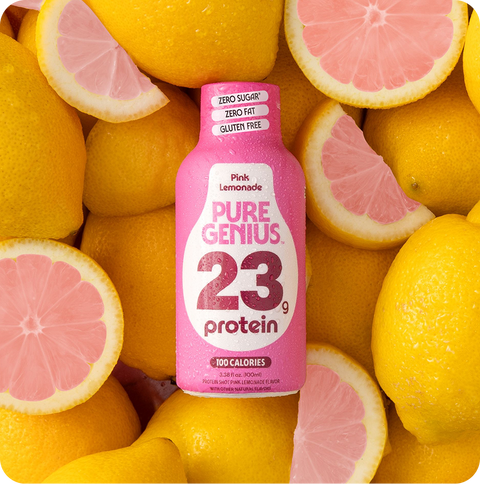
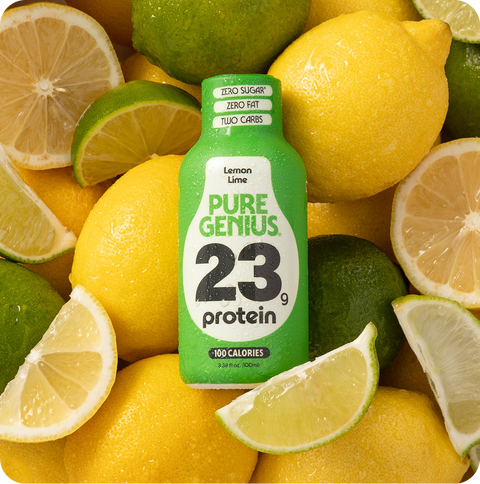
"Hitting 1.6 g/kg of protein during a deficit is the part most people quietly miss. Pure Genius Protein is built for the days when food alone doesn't get you there: a fast post-workout shake, a stir-in for breakfast oats, or an afternoon top-up when lunch ran light. 20+ grams of complete protein per serving, no artificial sweeteners, no fillers."

USE CODE DRROCIO FOR UP TO 35% OFF YOUR FIRST ORDER.

04

You're Not Sleeping Enough

The problem: Even a perfectly calculated deficit underperforms when sleep is short. Your body still loses some weight when you're sleep-deprived, but it loses the wrong kind of weight.

The science: A 2010 study put adults on identical calorie restriction and varied only their sleep: 5.5 vs 8.5 hours per night for 14 days. Total weight loss was similar, but the composition was not. The sleep-restricted group lost significantly less fat and more lean mass – two major downsides from poor sleep. An earlier study showed sleep restriction lowered leptin by 18%, raised ghrelin by 28%, and increased hunger ratings by 24%. Sleeping less doesn't just blunt fat loss. It pushes appetite up at the same time.

Practical tips:

  • Aim for 7 to 9 hours with consistent sleep and wake times
  • Protect the hour before bed: dim light, no screens, no stress
  • Keep an eye on your beverages in the late afternoon and evening: caffeine and alcohol can both disrupt sleep if consumed too close to bedtime
  • If you snore, gasp, or wake unrefreshed despite enough hours in bed, screen for sleep apnea. Untreated apnea can present a huge barrier to smooth, sustainable fat loss

05

You're Judging Too Early

The problem: Weight loss is not linear. People give up at week 2 or 3 because the scale fluctuates around water and glycogen, when the underlying fat loss is already happening.

The science: Every gram of glycogen stored in muscle and liver binds roughly 3g of water. A higher-carb meal, a salty restaurant night, a hard workout, or a hormonal cycle phase can mask 2 to 3 pounds of real fat loss for days. The "whoosh" pattern, where the scale holds flat for 10 to 14 days and then drops 2 to 4 pounds overnight, is well-documented in body composition literature. The mistake is reading the daily number as if it were a perfect signal of fat tissue. It is not.

Practical tips:

  • Weigh daily, but compare 7-day rolling averages, not yesterday vs today
  • Take waist and hip measurements once a week. Body composition can shift even when the scale doesn't
  • Keep monthly progress photos in the same lighting and keep tabs on how your clothes are fitting. They often tell the truth before the scale does
  • Don't call a plateau a plateau until you've gone 3 to 4 weeks without progress while holding your physical activity and diet (with adequate protein and sleep) reliably consistent

The Bottom Line

The math always works, but the full picture is bigger than calories in versus calories out. It includes the accuracy of your tracking, the protein you're feeding your muscle, the sleep you're giving your hormones, and the timeframe you're judging on. Little changes to your sleep, diet, or physical activity can compound over time, and scale weight is constantly distorted by day-to-day fluctuations that are disconnected from actual fat mass. Tune up these critical inputs and the deficit starts working again.

If one of these is off, progress slows. If two or three are off at once (and that's the usual situation in my office), the scale stops moving entirely. The good news is that none of the five requires a heroic intervention. They require a small adjustment in five places that compound quickly.

About The Author

Dr. Amy Shah is a double board-certified medical doctor, integrative health expert, and bestselling author of I'm So Effing Tired, I’m So Effing Hungry, and Hormone Havoc. With training from Harvard, Columbia, and Cornell, she specializes in the intersection of gut health, hormones, and immunity, and how these influence energy.

Known for making complex science feel actionable, Dr. Shah has helped thousands of patients and followers reclaim their energy without overhauling their entire lives. She's been featured in Forbes, mindbodygreen, Well+Good, and more.

Follow Dr. Amy: @dramyshah on Instagram | www.amymdwellness.com

If you want to learn more about your hormone health, check out Dr. Amy Shah's latest book, Hormone Havoc, on Amazon

If you want to learn more about your hormone health, check out Dr. Amy Shah's latest book, Hormone Havoc, on Amazon