


4 Quick Fixes for the Afternoon Slump

A Harvard-trained physician specializing in nutrition and hormone regulation shares what she actually does at 3 pm and what the science says about why it works.

Written By Dr. Amy Shah

Reviewed By Dr. Eric Trexler

Key Takeaways

  • The 3 pm energy dip is a biological event built into your circadian rhythm, not a sign something is wrong with you
  • A nutritious, well-balanced lunch can have a huge impact on your afternoon energy
  • Ten minutes of movement can restore alertness for up to an hour, with no caffeine required
  • Mild dehydration alone is enough to impair attention, mood, and reaction time, and most people don’t know they’re dehydrated
  • A 10 to 20 minute strategic rest can recover hours of afternoon productivity, but the length matters

"I was eating at my desk, skipping lunch, and crashing every afternoon at 2:30. I thought it was my schedule. It wasn't—it was my biology. The afternoon slump isn't inevitable. It just feels that way until you understand what's actually driving it."

Dr. Amy Shah
Double board-certified MD, author of I'm So Effing Tired, I’m So Effing Hungry, and Hormone Havoc

01

Reconsider What You Ate at Lunch

The Problem: The typical office lunch, such as a big sandwich, pasta, or chips on the side, is built for speed, not energy. A high-glycemic, low-protein midday meal doesn’t cause the afternoon dip, but it makes it significantly worse.

The science: Studies confirm that meal composition directly affects post-meal alertness. High-carbohydrate lunches drive tryptophan into the brain, increasing serotonin, a calming, sleep-promoting neurotransmitter. Protein and fat at lunch slow this process. The meal you eat at noon is the most direct lever you have on your 3 pm.

Practical tips

  • Build lunch around protein first, aiming for 20 to 40 g before adding carbohydrates
  • Add fat and fiber to slow glucose absorption; minimize refined carbs at midday
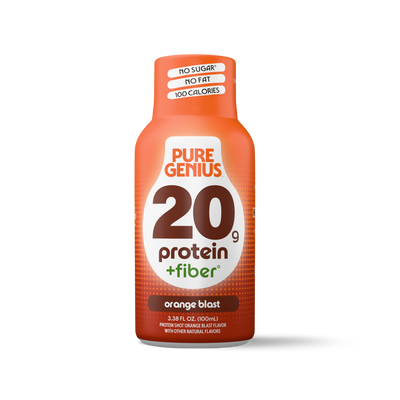
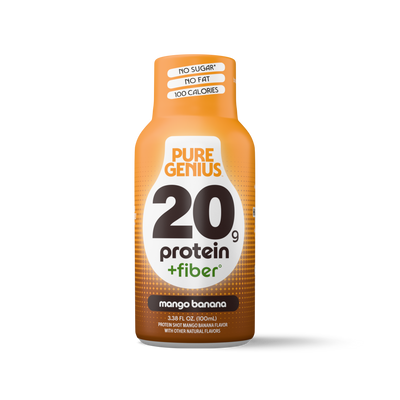
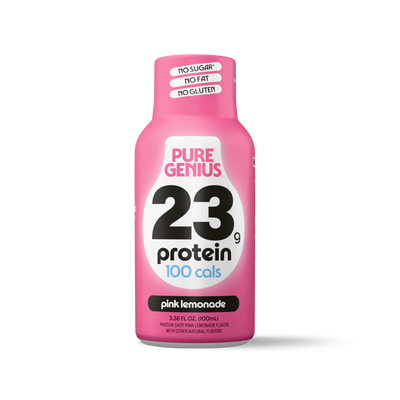
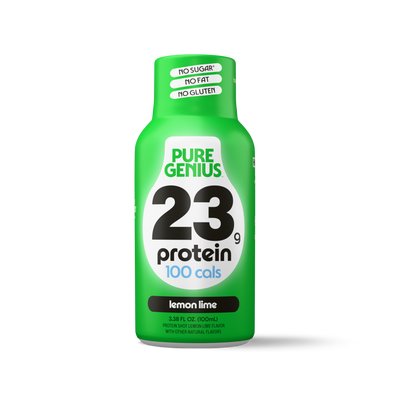
  • If lunch is rushed or light, a protein shake before 2pm is one of the fastest ways to stabilize afternoon energy
02

Move for 10 Minutes

The Problem: When the slump hits, the instinct is to sit still and push through. That’s the wrong move. Staying sedentary during the afternoon dip deepens it. Movement is one of the fastest, most evidence-backed interventions available, and most people never use it.

The science: Research confirms that even a single short bout of movement, such as 10 minutes, improves alertness, executive function, and mood for up to an hour. The mechanism is increased cerebral blood flow and the release of norepinephrine, which directly sharpens focus. You don’t need a gym. You just need a hallway or a stairwell.

Practical tips

  • Walk around the block, take the stairs, or do a 10-minute standing stretch, as intensity doesn’t matter much
  • Even light-intensity movement shows measurable alertness benefits over sitting still
  • Schedule this as a calendar block, not an intention: “If it’s 2:30 pm, I walk for 10 minutes.”
  • If you can go outside, the combination of movement and natural light exposure doubles the alertness benefit
03

Drink Water Before You Reach for Coffee

The Problem: The 3 pm coffee reach is automatic. But some of what you’re fighting in the afternoon isn’t sleepiness, it’s dehydration. And caffeine after 2 pm has a measurable cost to your sleep that most people never connect back to the next day’s crash.

The science: A meta-analysis found that even mild dehydration, as little as 1 to 2% body water loss, significantly impairs attention, mood, and reaction time. Reviews have confirmed this effect in otherwise healthy adults. Drink 16 oz of water and wait 10 minutes. For many people, that alone resolves the slump.

Practical tips

  • Drink a large glass of water before any afternoon caffeine to rule out dehydration first
  • If you must have afternoon caffeine, keep it before 2 pm, as caffeine has a 5 to 7 hour half-life and disrupts sleep quality even when it doesn’t stop you from falling asleep
  • Keep a large, visible water bottle on your desk from the morning, as visibility drives consumption

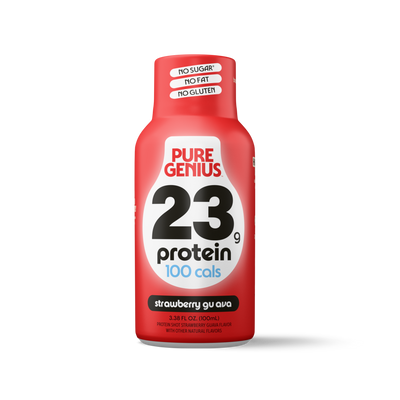
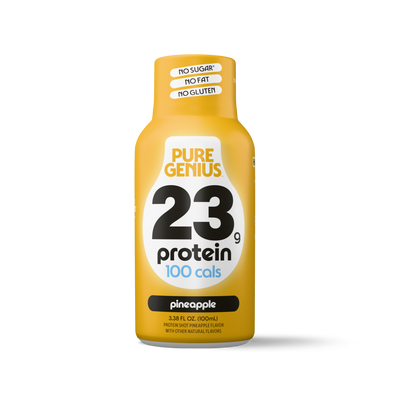
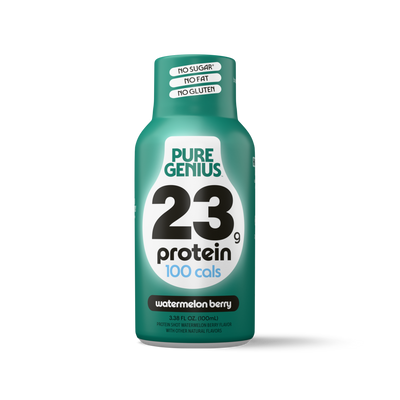
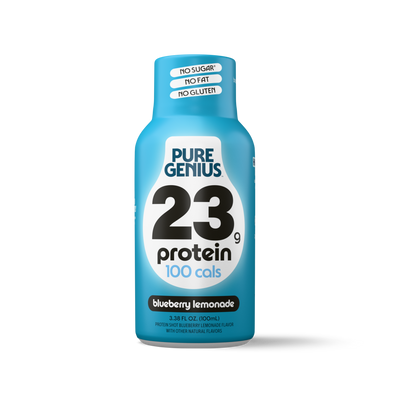
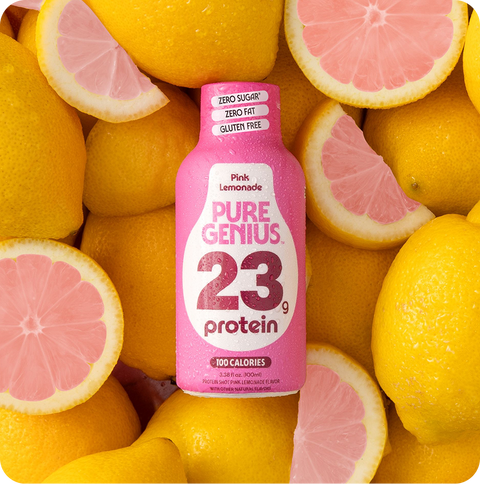
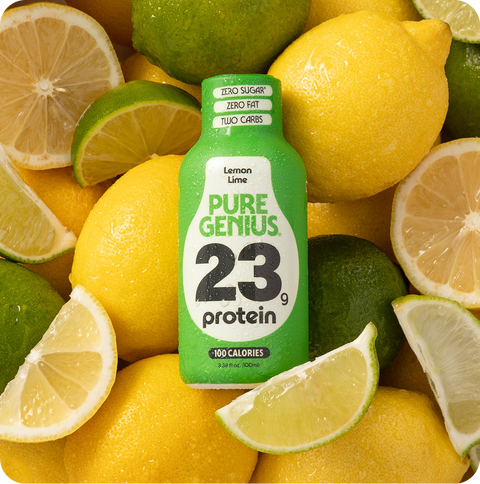
"Looking for a clean, convenient protein option? Pure Genius Protein makes it easy to hit 25–35g of protein at lunch — even on your busiest days. No artificial sweeteners, no fillers. Just real ingredients designed to keep you fueled through the afternoon."

USE CODE DRAMYSHAH FOR UP TO 35% OFF YOUR FIRST ORDER.

04

Rest Strategically

The Problem: We treat rest like failure. Powering through the slump feels productive. But a poorly timed or excessively long rest can leave you groggier than before. A well-timed short rest, done right, can restore alertness for hours.

The science: Research confirms that a 10 to 20 minute nap produces immediate, sustained improvements in alertness, cognitive performance, and mood. Beyond 30 minutes, you enter slow-wave sleep and risk sleep inertia, that heavy, groggy feeling that can persist for 30 minutes after waking. The length is the difference between a tool and a trap. But here’s the best part—you can still get benefits without actually dozing off. Even closing your eyes for 10 minutes without sleeping has measurable restorative effects on alertness.

Practical tips

  • Set an alarm for 20 minutes, and don’t trust yourself to wake naturally
  • Aim to nap between 1 to 3 pm, as this is earlier than your natural slump window and before adenosine builds too high
  • If a nap isn’t possible, 5–10 minutes of intentional rest with diaphragmatic breathing in a quiet space measurably lowers cortisol and restores focus

The Bottom Line

The afternoon slump is real and biological, but you have more control over it than you might think. But it’s also not as powerful as the options you have against it. Every fix on this list takes under 20 minutes. Every one of them is backed by research. None of them require a prescription, a supplement, or a major lifestyle overhaul.

The most important shift is perspective. The slump is not a failure; it’s a signal. Your body is telling you what it needs: protein, movement, water, or rest. The people who perform well in the afternoon aren’t tougher than you. They’ve simply learned to respond to that signal instead of fighting it.

Pick one fix. Use it this week. See what changes. Then add another. That’s how habits are built, one quiet 3 pm victory at a time.

About The Author

Dr. Amy Shah is a double board-certified medical doctor, integrative health expert, and bestselling author of I'm So Effing Tired, I’m So Effing Hungry, and Hormone Havoc. With training from Harvard, Columbia, and Cornell, she specializes in the intersection of gut health, hormones, and immunity, and how these influence energy.

Known for making complex science feel actionable, Dr. Shah has helped thousands of patients and followers reclaim their energy without overhauling their entire lives. She's been featured in Forbes, mindbodygreen, Well+Good, and more.

Follow Dr. Amy: @dramyshah on Instagram | www.amymdwellness.com

If you want to learn more about your hormone health, check out Dr. Amy Shah's latest book, Hormone Havoc, on Amazon

If you want to learn more about your hormone health, check out Dr. Amy Shah's latest book, Hormone Havoc, on Amazon