


The Healthy BBQ Playbook: 7 Easy Swaps for Your 4th of July Cookout

How to enjoy the grill without undoing your week.

Written By Pure Genius

Reviewed By Dr. Eric Trexler

Key Takeaways

  • Eating protein and vegetables before refined carbs limits calorie intake and reduces post-meal blood sugar by ~38%
  • Five servings of produce a day is associated with 13% lower all-cause mortality risk
  • A 30-minute marinade cuts HCA and PAH formation in grilled meat by up to 88%
  • Easing up on alcoholic beverages can make a huge impact on your calorie intake at the barbecue – in addition to improving how you sleep that night and feel the day after

“You don't have to skip the cookout to eat well. Lead with protein, fill half the plate with color, and let a few smart swaps do the rest.”

Pure Genius

01

Lead With Protein

The problem: The chips, macaroni salad, and potato salad get to you first. You graze on simple carbs while the meat finishes, and by the time you sit down, blood sugar is already climbing. You eat more calories than intended, but an hour later you're hungry again anyway – not because you didn't eat enough, but because of how the meal was sequenced.

The science: In adults with prediabetes, eating protein and vegetables before carbohydrates cut the glucose area-under-the-curve by 38.8% versus the carb-first sequence. A 2024 crossover trial in healthy adults found the same sequence significantly lowered post-meal glucose and insulin and extended satiety. Beyond blood sugar, 25 to 35g of protein per meal is the threshold most strongly tied to maximal muscle protein synthesis and increased satiety, meaning you’ll support your muscles and eat fewer calories with no added effort or restriction.

Practical tips:

  • Swap #1: Start your plate with the protein. Grilled chicken, fish, lean burger, beans, or tofu first, sides second. The order itself does work
  • Swap #2: Aim for 25 to 35g of protein at this meal. A 4 to 5 oz grilled chicken breast, salmon fillet, or quarter-pound burger patty gets you there. A protein-forward snack before you arrive (Greek yogurt, eggs, cottage cheese) keeps you from arriving ravenous and defaulting to carbs

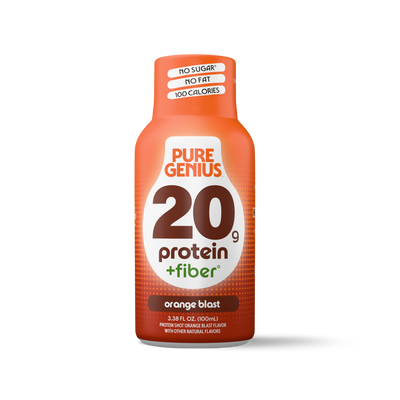
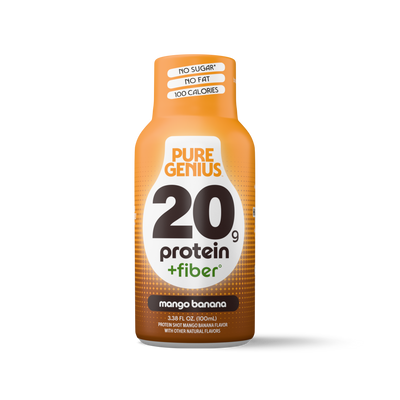
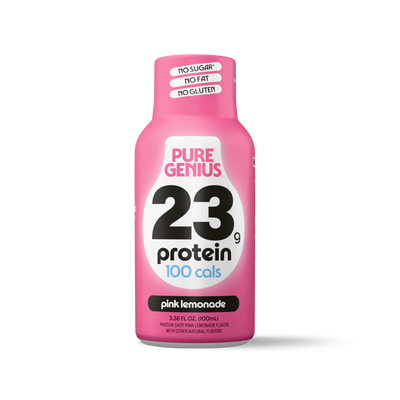
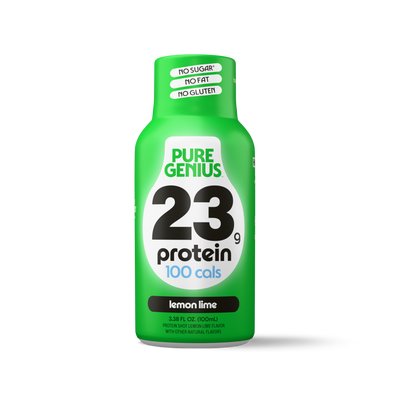
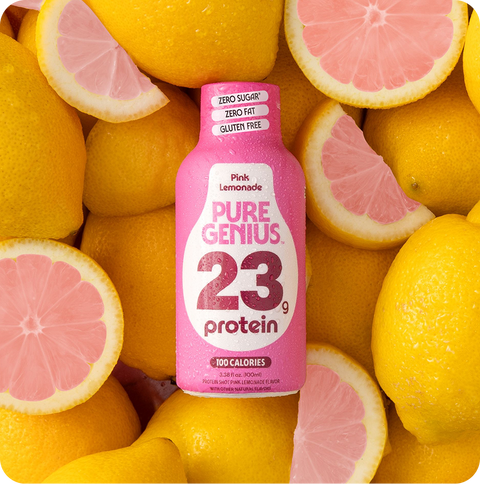
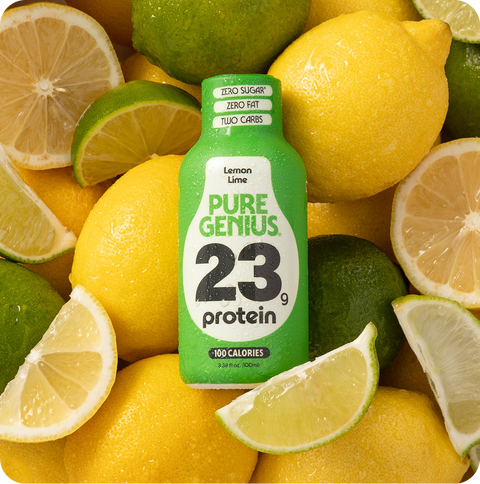
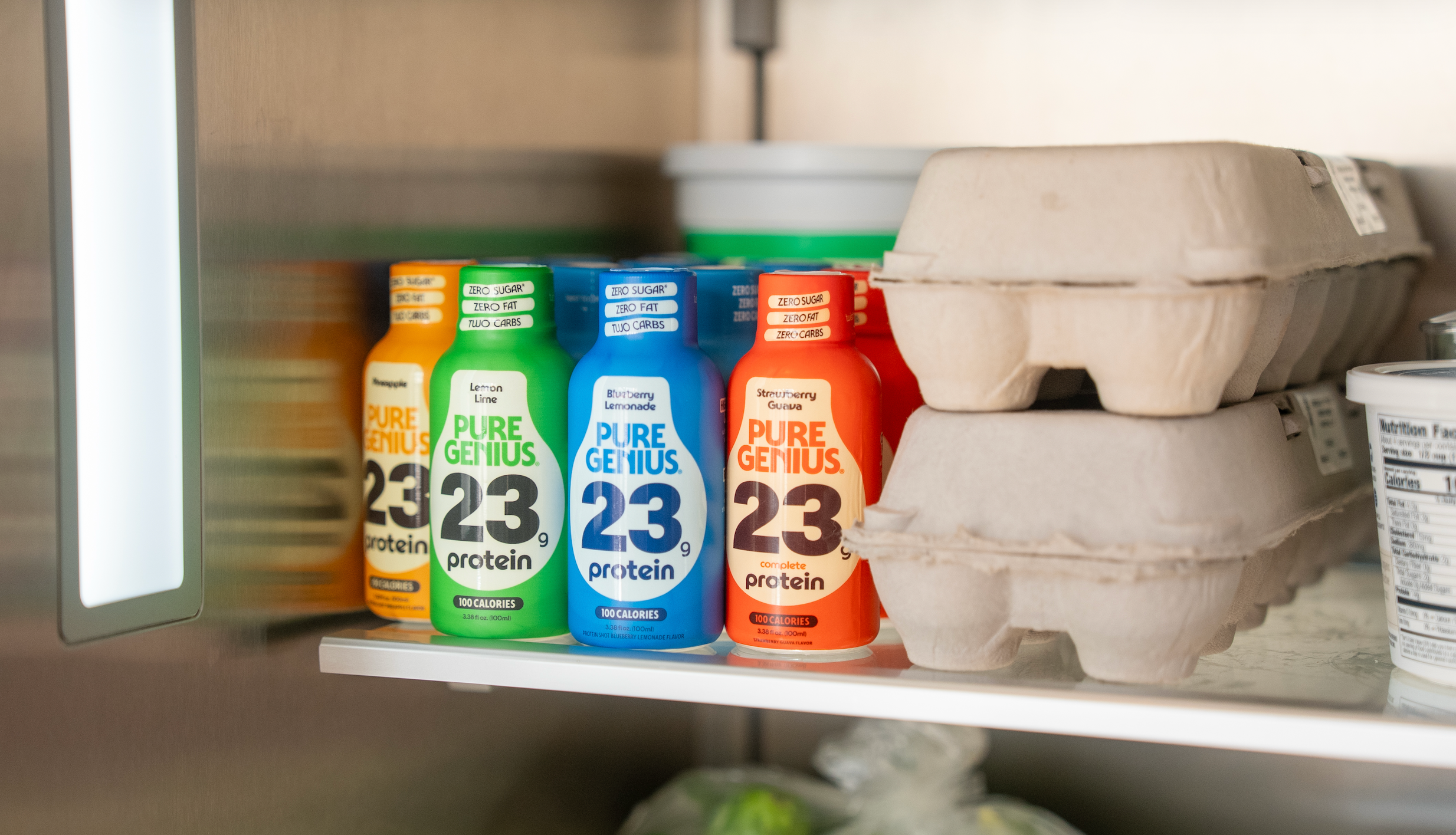
"Hitting 25 to 35g of protein at every meal usually takes a little planning. Pure Genius Protein is built for the moments when real food doesn't fit: a fast pre-cookout shake, a stir-in for the next morning's oats, or a cleaner alternative to a sugary post-cookout breakfast. 20+ grams of complete protein, no artificial sweeteners, no fillers."

USE CODE PGP10 FOR UP TO 35% OFF YOUR FIRST ORDER.

02

Make Half Your Plate Colorful

The problem: Most cookout plates are heavy on grilled protein and starchy sides, with produce treated as garnish. About 9 in 10 American adults don't meet daily fruit and vegetable recommendations, and the cookout is where that gap shows up.

The science: The largest analysis on this question pooled data from two long-running cohorts of 100,000+ adults with 24 other prospective studies. About 5 servings of produce a day (2 fruit and 3 vegetable) was associated with a 13% lower risk of all-cause mortality, a 12% lower risk of cardiovascular death, and a 10% lower risk of cancer mortality versus 2 servings a day. The mechanisms are clear: fiber, polyphenols, potassium, and a low energy density that crowds out calorie-dense food without feeling like restriction.

Practical tips:

  • Swap #3: Bring a salad or fruit platter that you will eat. Add a protein topper (grilled chicken, chickpeas, hard-boiled eggs, edamame, feta) so it's a meal-builder, not just a leafy side dish
  • Swap #4: Pile on the grilled vegetables. Bell peppers, zucchini, asparagus, mushrooms, and corn all grill beautifully. Build the plate visually: half produce, a quarter protein, a quarter starch. Fiber and protein together extend satiety far better than either alone
03

Limit The Liquid Calories

The problem: Cookout drinks are easy to miscount. A second beer, a sugary cocktail, a tall glass of sweet tea: calories that don't register the way food does, plus alcohol's specific effect on hunger and self-regulation.

The science: A systematic review concluded that alcohol increases short-term food intake. Energy from alcohol is not compensated for by eating less, and total energy intake on drinking days is meaningfully higher. Functional MRI work has shown alcohol acutely heightens the brain's response to food aromas, especially in women. Alcohol also fragments sleep, which independently raises the next-day appetite for energy-dense food. So limit the alcohol and opt for low-sugar or non-sugar options for your non-alcoholic drinks.

Practical tips:

  • Swap #5: Alternate every alcoholic drink with water or sparkling water. This single habit reliably halves total drinks for most people
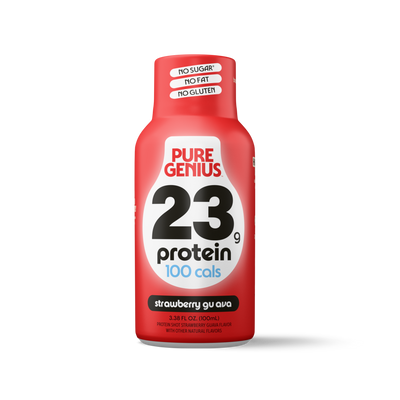
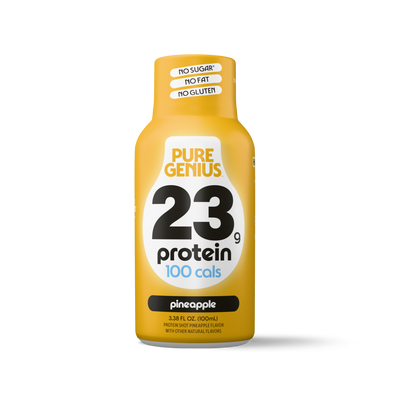
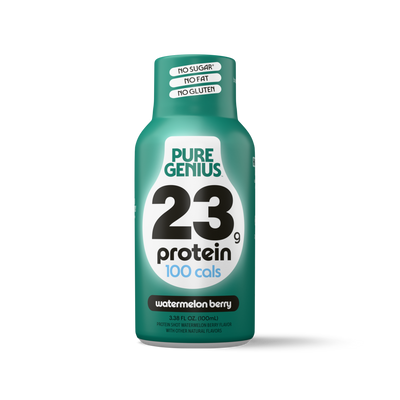
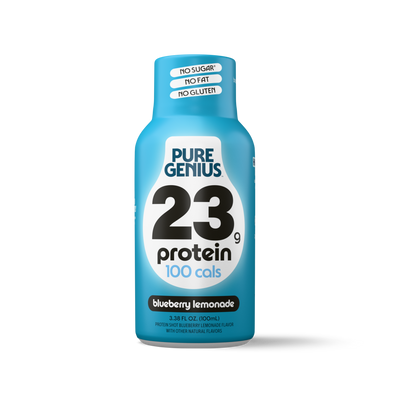
  • Swap #6: If you typically consume sugary non-alcoholic beverages, opt for a lower-sugar or non-sugar option instead
  • Decide your number before you arrive. "I'll have two" is a different commitment than "I'll see how I feel"
  • Choose dry wine, light beer, or a spirit with sparkling water over sugary cocktails. Frozen blender drinks can clear 400 calories per serving without filling you up
04

Turn Down The Char

The problem: The blackened crust everyone fights over is where two families of compounds form: heterocyclic amines (HCAs), made when amino acids in muscle meat hit very high heat, and polycyclic aromatic hydrocarbons (PAHs), made when fat drips onto the flame and smoke carries them back up. Both compounds are classified as probable human carcinogens.

The science: Large cohort studies link frequent well-done, char-grilled meat with higher risk of colorectal, pancreatic, and prostate cancers. Formation is highly modifiable, though. A controlled trial of three marinades on beef cooked at 204°C cut total HCAs by 57 to 88%, with a polyphenol-rich Caribbean marinade leading the pack.

Practical tips:

  • Swap #7: Lean toward leaner cuts. Less fat dripping onto the heat means fewer PAHs going back into the meat, and leaner cuts deliver more grams of protein per calorie
  • Marinate for at least 30 minutes before grilling. Acidic, herb-and-spice-heavy mixes (rosemary, thyme, garlic, citrus, vinegar) cut HCA formation the most
  • Use lower or indirect heat for thicker cuts and flip more often. Trim visible fat to limit flare-ups, and skip the heaviest char before serving

The Bottom Line

A healthy cookout doesn't take willpower or a separate "diet plate." It takes a few upstream choices: marinate the meat, anchor the meal with protein, fill half the plate with produce, and watch the drinks. Protein is the common denominator in most of these swaps because it's the macronutrient that buys you satiety, muscle, and a flatter blood sugar curve all at once. Get that piece right and the rest of the day follows.

It isn't the cookout that hurts you, it's the cumulative pattern, and the pattern is built one plate at a time. Enjoy the barbecue, make a few easy swaps, and your future self gets the compound interest.