


Why Eating Healthy At Work Is So Hard (And 4 Things You Can Do About It)

A board-certified neurosurgeon who has performed thousands of surgeries starting before sunrise and lost 80 pounds herself shares the science behind why eating well at work is harder than it looks, and how a system finally made the difference.

Written By Dr. Betsy Grunch

Reviewed By Dr. Eric Trexler

Key Takeaways

  • By mid-afternoon, your brain has made hundreds of decisions, and food choices are often the first to suffer
  • Your office environment is quietly nudging you toward poor food choices, often without your awareness
  • Skipping meals backfires, triggering hunger hormones that make high-calorie foods harder to resist
  • Adequate protein is one of the most effective and overlooked tools for staying full and focused at work
  • Willpower alone rarely works; environment design and simple planning habits do

“I spent years as a neurosurgeon starting cases before sunrise, with back-to-back surgeries, no real breaks, and grabbing whatever I could between patients. I didn’t eat badly because I didn’t know better. I knew everything. The problem was that knowledge alone doesn’t help you when you’re ten hours into a surgical day and running on empty. It wasn’t until I started tracking what I actually ate on those days that the pattern became impossible to ignore: the problem was never willpower. It was biology, environment, and a complete absence of a plan."

Dr. Betsy Grunch, MD, neurosurgeon and creator of ladyspinedoc

01

Your Brain Runs Out of Decision-Making Fuel

The Problem: You don’t eat badly at work because you’re undisciplined. You eat badly because your brain has made hundreds of decisions before lunch. The mental tank is empty. Food choices are the first to go.

The science: Research shows fatigue directly drives emotional eating, not hunger. Brain studies confirm that cognitive depletion weakens the prefrontal-striatal system: the region responsible for choosing the apple over the chips. It’s not weakness. It’s a depleted brain doing exactly what depleted brains do.

Practical tips

  • Make your biggest food decisions in the morning, when your cognitive resources are freshest, and pack lunch before you start work
  • Remove the decision entirely: create a rotating weekly lunch menu so there’s nothing to figure out mid-day
  • Schedule your most demanding tasks in the morning, leaving afternoons for less cognitively intensive work. This helps preserve mental energy for better choices later
  • Keep a healthy default snack or protein shot visible on your desk to reduce friction when your energy dips
02

Your Office Environment Is Working Against You

The Problem: The candy bowl by reception. The birthday cake in the break room. The catered lunch with four pasta options and one sad salad. Your office wasn’t designed to support healthy eating, and willpower alone was never built to fight it all day.

The science: The workplace food environment is one of the strongest predictors of what employees actually eat, stronger than intention or nutrition knowledge. A field study confirmed: simply moving snacks closer to where people sit increased consumption, with no change in hunger. Your environment is making decisions for you. Often before you realize it.

Practical tips

  • Conduct an “environment audit”: remove visible junk food from your immediate workspace and replace it with a healthier option
  • Position your water bottle prominently on your desk, as people frequently mistake mild dehydration for hunger
  • When navigating catered office meals, build your plate starting with protein and vegetables before adding anything else
  • Don’t linger at the office kitchen, as research consistently shows that people who spend more time near food sources eat more, regardless of hunger level
03

Skipping Meals Triggers a Hormonal Domino Effect

The Problem: Lunch becomes “I’ll eat later.” Later becomes 4pm. By then, you’re not choosing; you’re grabbing. This isn’t a lack of discipline. It’s what happens when you run your body on empty: it activates a hormonal response designed for survival, not salad.

The science: When you skip meals, ghrelin, your primary hunger hormone, spikes. Research confirms ghrelin doesn’t just make you hungry: it raises the reward value of high-calorie foods, making them biologically harder to resist. Dropping blood sugar simultaneously impairs your prefrontal cortex, a key brain center for making decisions that match your goals. You’re not just hungry. You’re hormonally wired to reach for the worst option available.

Practical tips

  • Treat your lunch break like a non-negotiable meeting; block it on your calendar and protect it
  • Aim to eat within 90 minutes of waking to stabilize blood glucose and reduce hunger before the workday begins
  • If a demanding stretch is coming, prepare portable, protein-forward snacks in advance: hard-boiled eggs, Greek yogurt, string cheese, or a protein shot
  • Avoid “catch-up” eating, as we tend to overcompensate and overeat in large meals eaten rapidly after long gaps
04

Protein Is an Underrated Tool in Your Workday Strategy

The Problem: A bagel at 9. A sandwich at noon. Crackers at 3. Most work meals are carbohydrate-heavy and protein-light. None of it keeps you full for long. The hunger comes back fast, and it comes back loud.

The science: Protein triggers a stronger fullness response than fat or carbohydrates, primarily through two gut hormones: GLP-1 and PYY, which signal satiety to the brain. High-protein meals have been shown to increase fullness by up to 19% compared to normal-protein meals. That effect lasts for hours, not minutes. It’s one of the most consistent findings in nutrition research.

Practical tips

  • Aim for at least 25 grams of protein at breakfast. This puts you in the top 10% of Americans and makes a measurable difference in afternoon hunger
  • Keep an “emergency protein source” at the office. This could be as simple as keeping some Greek yogurt in the refrigerator or a pack of protein shots in your office
  • When there’s a low-protein lunch or snack in the break room, eat your protein and wait a few minutes before you indulge in the rest. You’ll always hit your protein target and give your gut hormones a head start

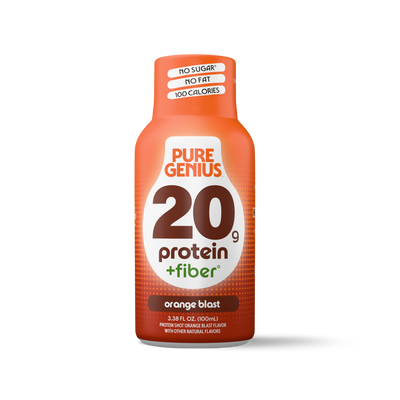
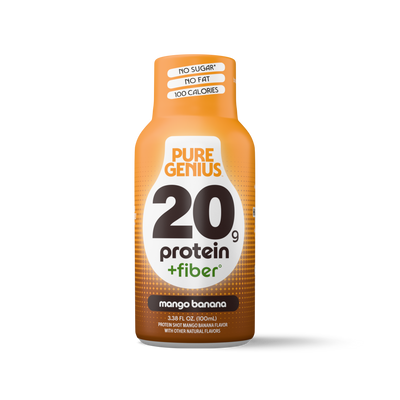
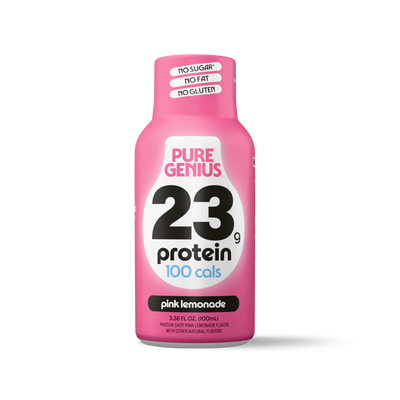
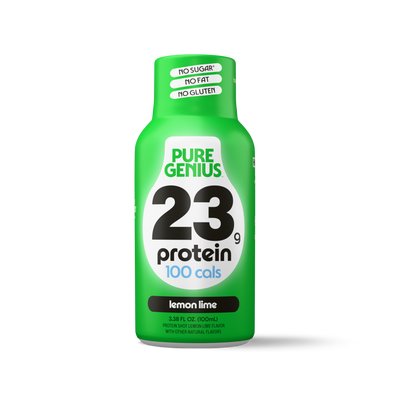
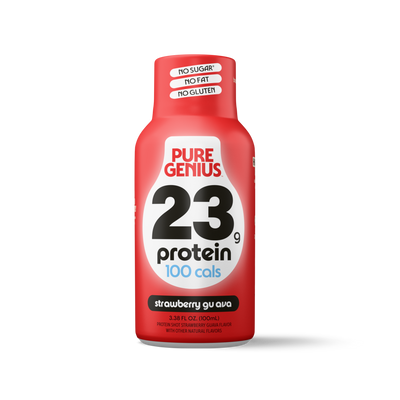
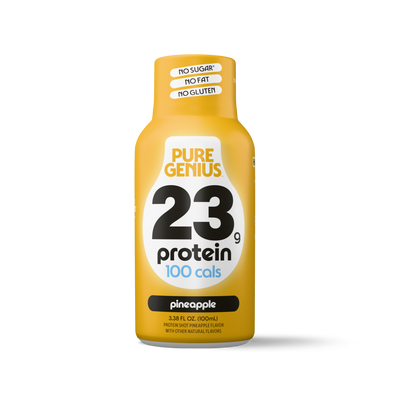
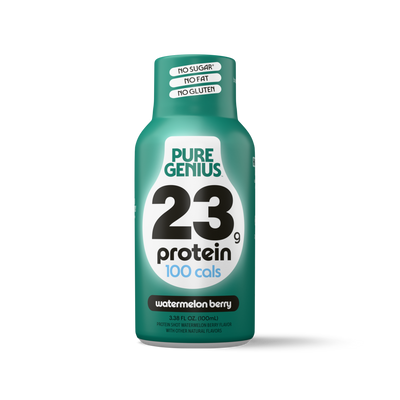
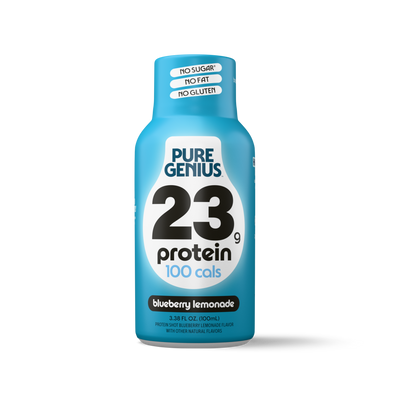
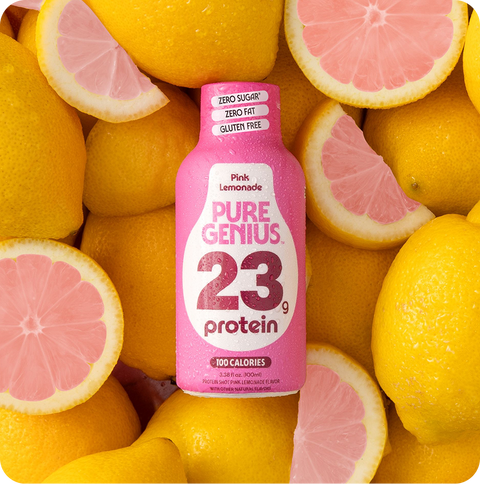
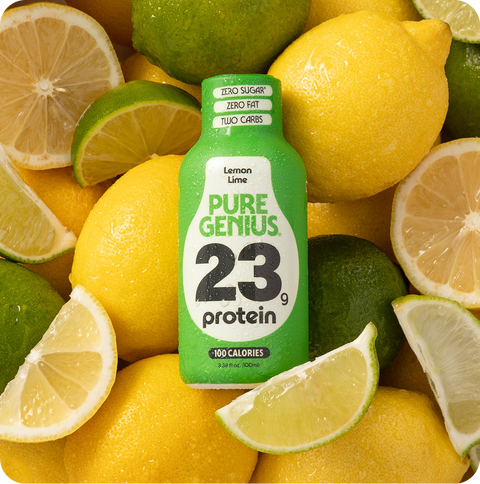
"Looking for a clean, convenient protein option? Pure Genius Protein was formulated to make hitting your daily protein targets easy, even on your busiest days. No artificial sweeteners, no unnecessary fillers. Just real ingredients that work."

USE CODE LADYSPINEDOC FOR UP TO 35% OFF YOUR FIRST ORDER.

05

Planning, Not Willpower, Is What Actually Works

The Problem: “I just need more discipline” is the most common thing I hear from patients who struggle with workday eating. But as competing priorities and mental load build throughout the day, your attention shifts and you’re more likely to rely on default or convenient choices. By the 3 pm slump, your decision-making processes look a lot different than they did at 9 am. The people who eat well at work don’t have more self-control. They have fewer in-the-moment decisions to make.

The science: Specific if-then plans, such as “If it’s noon, I eat the lunch I packed,” dramatically improve health behavior follow-through. A 2011 meta-analysis found a significant positive effect on healthy eating (Cohen’s d = 0.51). A separate analysis across 94 studies confirmed: planning reliably works better than motivation. Knowing why you should eat well matters far less than deciding exactly when and how you will.

Practical tips

  • Pack tomorrow’s lunch the night before. This single habit yields outsized returns
  • Use if-then planning: “If it’s noon, then I will eat the lunch I packed.” Writing this down meaningfully increases follow-through
  • Batch-prep one or two protein-heavy staples on weekends, such as grilled chicken, hard-boiled eggs, or roasted chickpeas, to make nightly meal prepping easier and cut down on low-quality snacking
  • Identify your highest-risk moment at work (usually mid-afternoon) and have a specific, pre-decided healthy option ready before that window arrives

The Bottom Line

Eating well at work isn’t hard because you lack self-control. It’s hard because the modern workplace is quietly stacked against healthy eating, with decision fatigue, food-rich environments, and schedules that don’t leave room for real meals. When you understand the biology and psychology at play, the solution stops feeling like a character problem and starts looking like a design problem.

The good news: small structural changes make a dramatic difference. Packing a lunch the night before, eating enough protein in the morning, and planning your hardest food moments in advance aren’t glamorous interventions, but the evidence says they work. They take the pressure off your willpower and put it onto a system instead.

You don’t need to be perfect. You need to be slightly more prepared than the version of you who arrives at 3 pm hungry and without a plan. Start there.

About The Author

Dr. Betsy Grunch is a board-certified neurosurgeon and spine specialist known online as ladyspinedoc. She combines surgical expertise with a passion for making complex science accessible, especially for women navigating demanding careers, frequent travel, and long-term health.

Dr. Grunch has been featured across major health and wellness platforms and brings a rare combination of operating room precision and real-world practicality to everything she shares.

Follow Dr. Betsy Grunch: @ladyspinedoc on Instagram & TikTok

Has travel ever completely derailed your eating? Drop where you are in the comments.