
5 Science-Backed Ways to Restore Your Motivation

A double board-certified doctor explains what’s going on when your drive disappears and what helps restore it.

Written By Dr. Amy Shah

Reviewed By Dr. Eric Trexler

Key Takeaways

  • Losing motivation isn’t a character flaw, it’s a temporary state your mind and body can move out of.
  • Sleep is the single biggest lever. Poor sleep impairs the exact brain systems that support drive and focus.
  • Strength training changes your brain chemistry in ways no supplement can replicate.
  • If you’re under-eating protein, you’re starving your brain of the raw materials motivation runs on.
  • Motivation follows action, not the other way around. The science on this is ironclad.

“In my practice, I see this all the time. High-functioning, capable women say, ‘I just don’t have the drive I used to.’ They’ve been told it’s stress or age, or that they need to push through. But when I look at their labs, sleep, and nutrition, the pattern is often physical. Their bodies are running on empty in a way that willpower cannot fix.”

Dr. Amy Shah
Double board-certified MD, author of I'm So Effing Tired, I’m So Effing Hungry, and Hormone Havoc

01

Sleep Is the Foundation. Everything Else Builds On It.

The problem: When you chronically short-change sleep, you’re not just tired, you’re impairing the systems that create motivation and drive. Getting six hours instead of eight over ten days produces the same cognitive impairment as pulling an all-nighter. Many people underestimate how depleted they are. They adapt and begin to see it as their normal.

The science: Your body produces a natural cortisol surge in the first 20–30 minutes after waking, called the cortisol awakening response. It is one of the primary signals that initiate energy and alertness. Your internal clock normally regulates it, but poor sleep suppresses it. When patients wake up exhausted and unmotivated, this is often a contributing factor. It is a measurable physiological state.

Dr. Amy's practical tips:

  • Keep a consistent wake time, even on weekends. This anchors your body clock
  • Get outside or into bright light within 30 minutes of waking to prime your cortisol response
  • Sleep debt is cumulative, one good night does not reverse it. Give it time
02

Strength Training Does Something No Supplement Can Replicate

The problem: Many women I see who struggle with motivation are not lifting weights, often because no one has explained how resistance training affects the brain. It is not about appearance, it is about how your brain functions.

The science: Lifting weights increases BDNF, a protein that supports brain plasticity and resilience. BDNF helps regulate stress circuits, supports restorative sleep, and maintains healthy reward system function. This last point matters because it restores your brain’s ability to generate motivation rather than artificially stimulating it. Research shows these effects are meaningful, and two sessions per week can produce results.

Dr. Amy's practical tips:

  • Two to three sessions per week is sufficient, consistency matters more than intensity
  • Compound movements (like squats, deadlifts, and rows) produce the most time-efficient benefits
  • Motivational effects show up within 4–8 weeks and hold, as long as you keep going

03

Stop Waiting to Feel Ready. Action Comes First.

The problem: Waiting to feel motivated before starting reinforces the cycle of low motivation. Behavior produces the neurological state, not the reverse. The sense of wanting to act comes from previous experiences of completing tasks. The less you act, the weaker that signal becomes.

The science: Behavioral activation, taking action regardless of how you feel, has been shown in a landmark study to be as effective as antidepressant medication for major depression. Starting is not a reward for feeling motivated. Starting helps generate that feeling.

Dr. Amy's practical tips:

  • Lower the starting point significantly. Focus on the first small action, even two minutes counts
  • Don’t negotiate with ‘I don’t want to.’ That’s your current brain state, not a verdict on the action
  • Count down from five and move before the avoidance response takes hold
  • Track completion rather than performance, finishing helps rebuild motivation


04

You Can’t Build Drive on an Empty Stomach. Start With Protein.

The problem: Your brain needs specific amino acids to produce dopamine and serotonin, the neurotransmitters involved in motivation. It cannot produce them without dietary protein. When protein intake is consistently low, the brain lacks the building blocks it needs. Many patients fall short without realizing it.

The science: Protein insufficiency is often invisible. You don’t feel dramatically hungry. You just feel flat, foggy, and low-energy. The standard guideline of 0.8g per kg of bodyweight was set for sedentary adults and is widely considered insufficient for active women. One week of tracking is usually eye-opening.

Dr. Amy's practical tips:

  • Aim for 30 grams of protein in your first meal, it helps stabilize blood sugar and reduce mid-morning crashes
  • Target 0.8–1.0 g per pound of body weight daily, many active women consume about half this
  • Include animal sources or a diverse mix of plant sources to give your body the full range of amino acids neurotransmitter synthesis requires

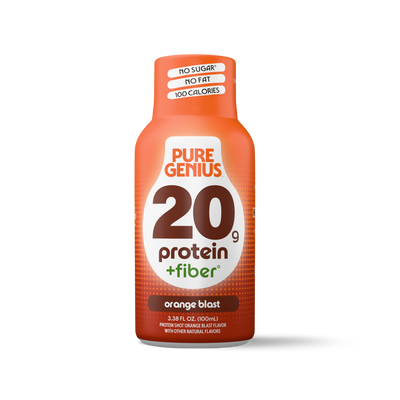
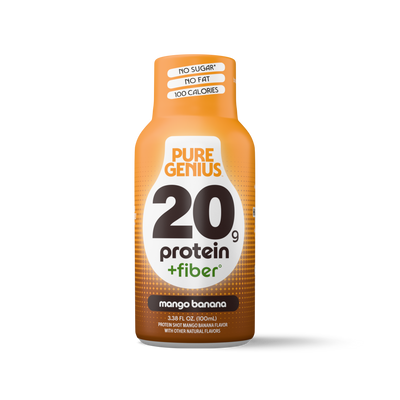
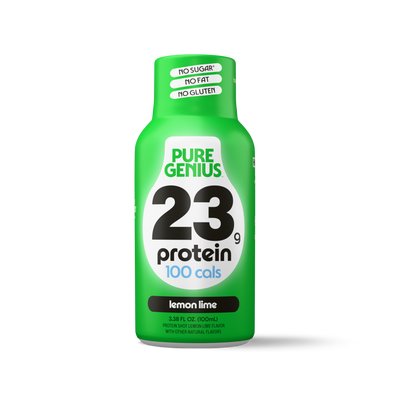
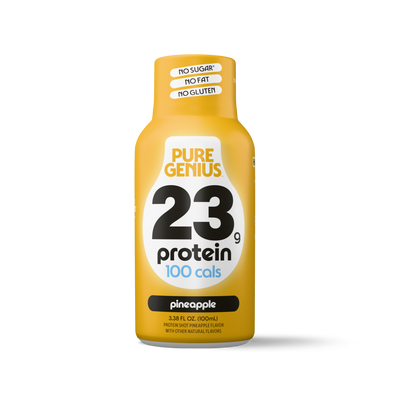
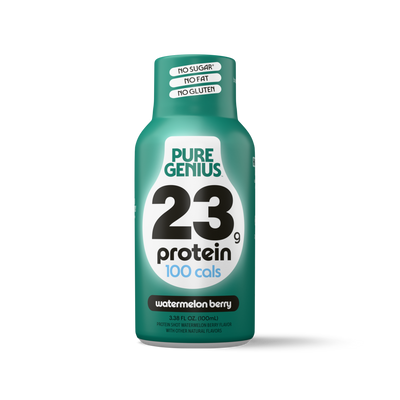
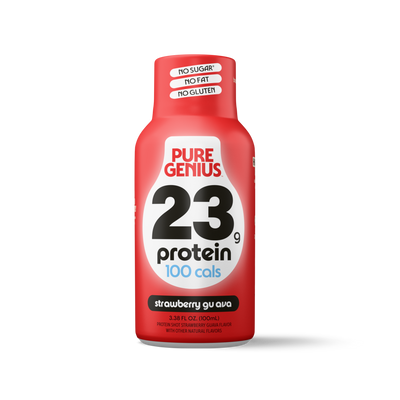
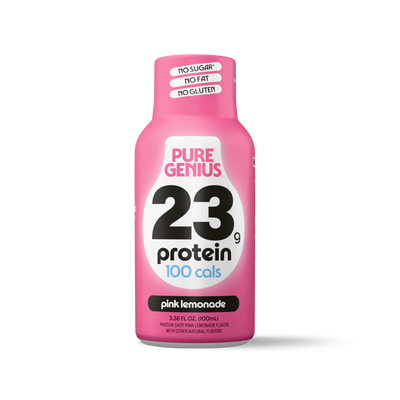
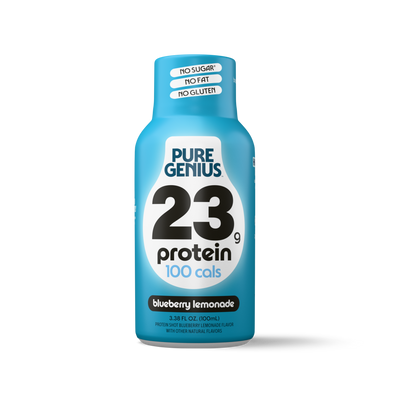
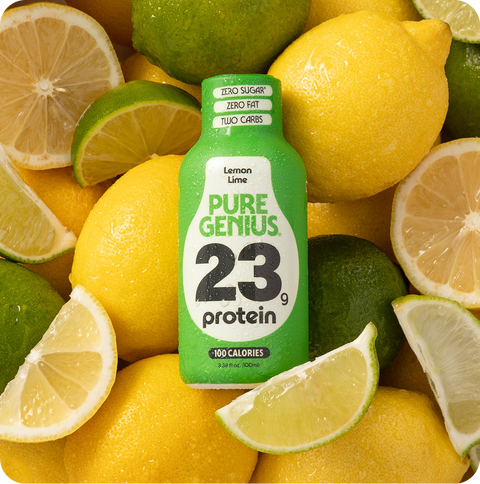
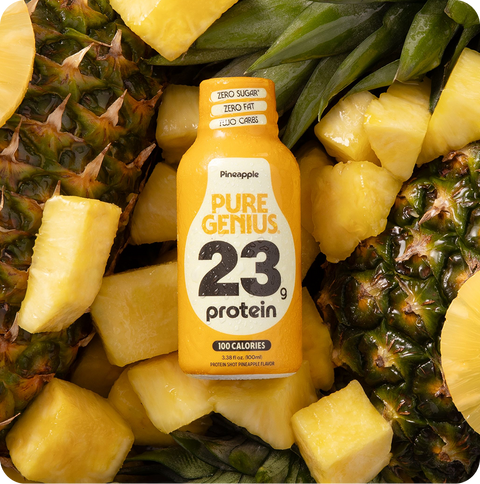
"Getting to 30 grams of protein before 9am is harder than it sounds when you’re running late or have nothing ready. Pure Genius Protein shots make the first 23 grams completely frictionless — no prep, no blender, no excuse."

USE CODE DRAMYSHAH 
FOR UP TO 35% OFF YOUR FIRST ORDER.

05

Your Environment Is Either Working For You or Against You

The problem: Habits are shaped by environmental cues, not just willpower. When your environment works against you, maintaining motivation requires constant effort. This becomes even more difficult when you are stressed or tired. Reducing friction is not avoidance, it reflects how behavior works.

The science: Your phone is designed to deliver frequent, low-effort dopamine stimulation. Dopamine plays a key role in reinforcement and conditioning. These quick rewards train your brain to prefer easy tasks, which can make sustained, effortful work less appealing. Adjusting your environment to reduce this competition can help restore motivation.

Dr. Amy's practical tips:

  • Design your environment to offset dips in motivation. Lay out the gym clothes the night before. Put the protein where you’ll see it. Make the right choice the easy choice
  • Keep your phone in another room during the first hour of the morning to reduce distraction
  • One protected block of focused work per day, even 60 minutes, rebuilds the capacity for sustained effort over time


The Bottom Line

Motivation is not a trait, it is a state produced by multiple systems. Sleep supports it. Movement helps restore it. Protein provides the building blocks it depends on. Action helps recreate it when it fades. Your environment can support or undermine each of these factors.

When motivation decreases, it provides useful information about what your system needs. Choose one area you recognize as lacking and begin there.


Pick the one on this list you already know you’re not doing. Start there.

About The Author

Dr. Amy Shah is a double board-certified medical doctor, integrative health expert, and bestselling author of I'm So Effing Tired, I’m So Effing Hungry, and Hormone Havoc. With training from Harvard, Columbia, and Cornell, she specializes in the intersection of gut health, hormones, and immunity, and how these influence energy.

Known for making complex science feel actionable, Dr. Shah has helped thousands of patients and followers reclaim their energy without overhauling their entire lives. She's been featured in Forbes, mindbodygreen, Well+Good, and more.

Follow Dr. Amy: @dramyshah on Instagram | www.amymdwellness.com

If you want to learn more about your hormone health, check out Dr. Amy Shah's latest book, Hormone Havoc, on Amazon

If you want to learn more about your hormone health, check out Dr. Amy Shah's latest book, Hormone Havoc, on Amazon