
I’m a Doctor Who’s Been Lifting Since My 20s, Here’s What I’d Do Differently If I Started Over

An endocrinologist with 20+ years of lifting shares the lessons she learned over time so you don’t have to.

Written By Dr. Rocio Salas-Whalen

Reviewed By Dr. Eric Trexler

Key Takeaways

  • Starting light and focusing on form is not just for beginners; it’s what allows you to lift consistently for decades without injury.
  • You don’t need to destroy yourself to see results. Training at a moderate-to-hard effort is where most progress actually happens.
  • Following a structured program with progressive overload is the single biggest predictor of long-term results. Random workouts build random results.
  • Protein needs increase with lifting, and many women are not consuming enough. Closing that gap can improve results quickly.
  • What you eat right after a workout can determine whether you build or break down muscle. Don’t skip it.

“I started lifting in my 20s, gradually, guided at first, and eventually on my own. I built consistency early, but like many, I spent years training without a clear long-term strategy. What I never worried about? Getting “bulky.” I wanted to be strong. Now, in my 40s as both a physician and a lifter, I approach training very differently. With structure. With intention. With a deep understanding of muscle as the foundation of metabolic health. With what I know today, I would have made more efficient and sustainable progress.”

Dr. Rocio Salas-Whalen
Endocrinologist and obesity specialist, author of Weightless

01

Start Lighter Than You Think You Need To, And Stay There Longer

What's happening: The most common mistake beginners make is chasing heavier weight before their body is ready for it. Don’t get me wrong, progressively increasing the difficulty of your workouts is key to success. But the rate of progression is key. To set yourself up for sustainable success, focus on slow, steady, and conservative changes that keep your workouts challenging, while avoiding pushing beyond what your body can handle.

The science: Tendons and ligaments adapt to stress more slowly than muscle does. Starting lighter and progressing gradually is how you get to the heavy weights safely and sustainably. The first 8–12 weeks should be about learning the movement patterns and building comfort with them, not testing your limits.

What to do instead

  • Spend the first 8–12 weeks learning the movements at weights that feel almost too easy, such as squats, deadlifts, and rows. Learning to execute the pattern matters more than the load when you’re first starting out
  • Focus on controlled movements with a full range of motion before adding weight. A perfect rep with a light weight builds more than a sloppy rep with a heavy weight
  • If your form breaks down, the weight is too heavy, full stop
02

You Don’t Need to Suffer to See Progress, Learn Your RPE

What's happening: Fitness culture has sold women the idea that results require punishment. If you’re not completely wrecked at the end, it didn’t count. I believed this for years. It led to overtraining, burnout, and more than one injury. It was also just wrong.

The science: RPE — Rating of Perceived Exertion — is a simple 1–10 scale for how hard you’re working. Research consistently shows that training at an RPE of 7–8 (challenging, but you could do 2–3 more reps if you had to) produces the vast majority of strength gains for most people. Training to failure every session is not necessarily more effective, and it can actually delay your progress if you are not recovering between workouts.

What to do instead

  • RPE 5–6: Warm-up sets. Feels easy. You could do many more reps
  • RPE 7–8: Working sets. Challenging and focused, but 2–3 reps left in the tank. This is your sweet spot
  • RPE 9–10: Maximum effort. Use occasionally to test yourself, not as your default training zone
03

Follow a Real Program, Random Workouts Build Random Results

What's happening: For years I walked into the gym with a vague idea and did whatever felt right that day. I was consistent, but I wasn’t progressing. What I was missing wasn’t effort. It was structure. Without a program built around progressive overload, gradually increasing the challenge over time, your body adapts and stops changing. You plateau, spin your wheels, and many people eventually quit.

The science: Progressive overload is the primary driver of long-term strength and muscle gain. Muscles are highly adaptive and need a reason to keep changing. A good program gives them one, week after week, by making small, systematic increases in weight, reps, and/or sets over time. Lifters who follow structured programs gain significantly more muscle than those training without a plan.

What to do instead

  • Follow a structured program for at least 8–12 weeks before changing it. Novelty can feel productive but does not replace progression
  • Track your lifts. If you don’t know what you lifted last week, you can’t make sure you’re moving forward
  • Small, consistent increases beat big jumps. Adding 5 lbs to your squat every two weeks for a year is genuinely transformative
04

You Need Protein When You Lift, And Most Women Aren’t Getting Enough

What's happening: For years I under-ate protein. I thought it was only for bodybuilders and worried, incorrectly, that it would make me bulky. Protein is the raw material for muscle. If you lift without enough of it, you limit your results.

The science: The standard recommendation of 0.8 g per kilogram of bodyweight was set as a minimum for sedentary adults. For those who strength train, research supports 1.6–2.2 g per kilogram per day to maximize muscle building and recovery, roughly double what many women consume. And as an endocrinologist, I’d add: as you age, your body becomes less efficient at using protein to build muscle. You need more, not less, as you reach your 50s, 60s, and beyond.

What to do instead

  • A 140-lb woman lifting three times per week maximizes progress at roughly 100–140 g of protein per day. Many women consume about half that
  • Spread it across at least three to four meals, aiming for 25 to 40 grams each time, as distributing your protein intake is more effective than consuming it all at once
  • Track your protein for one week if you haven’t. The gap is almost always bigger than people expect

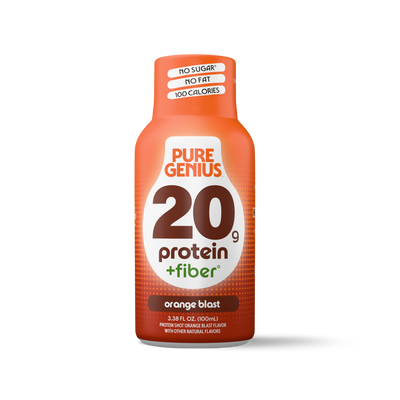
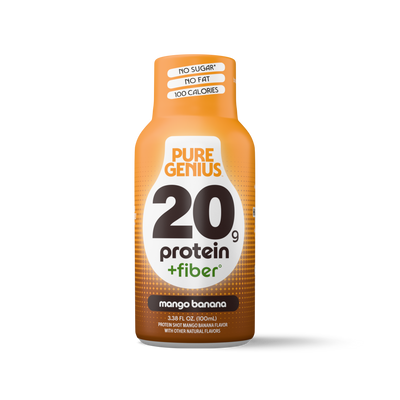
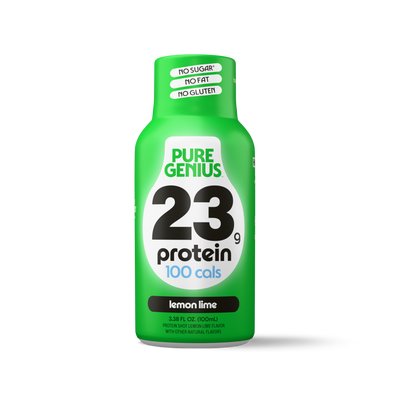
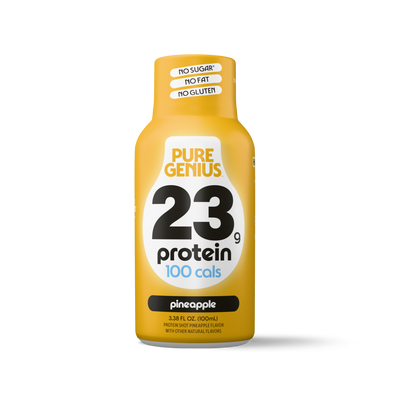
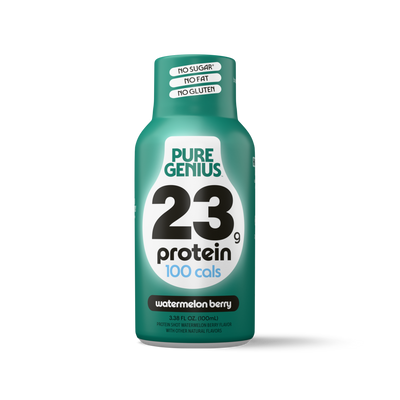
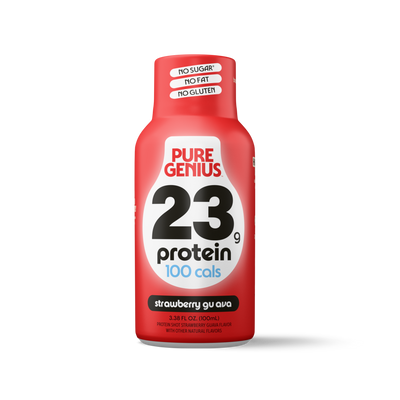
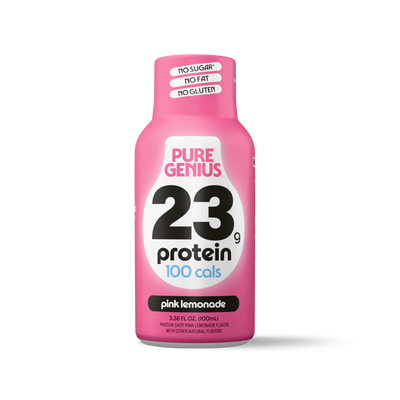
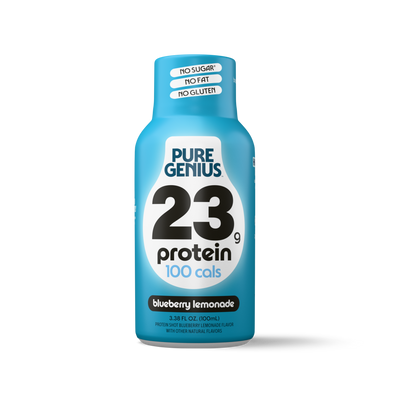
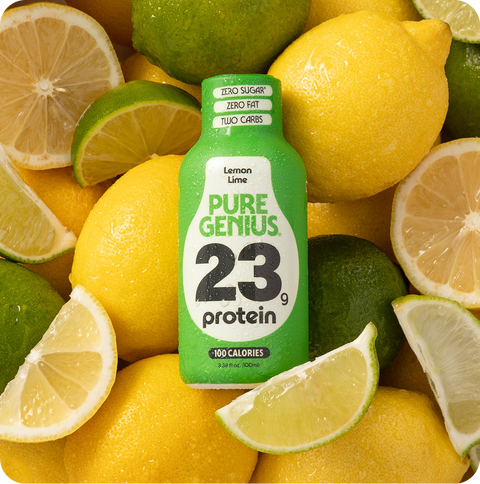
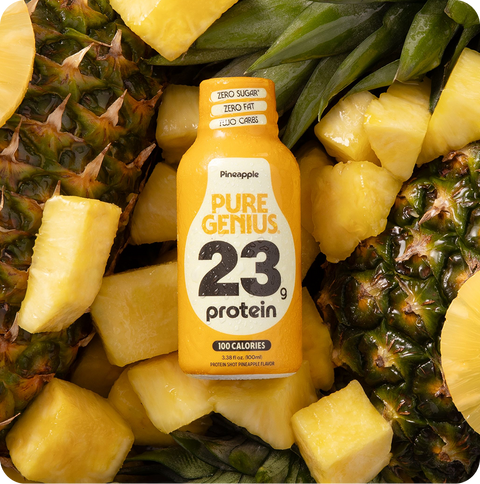
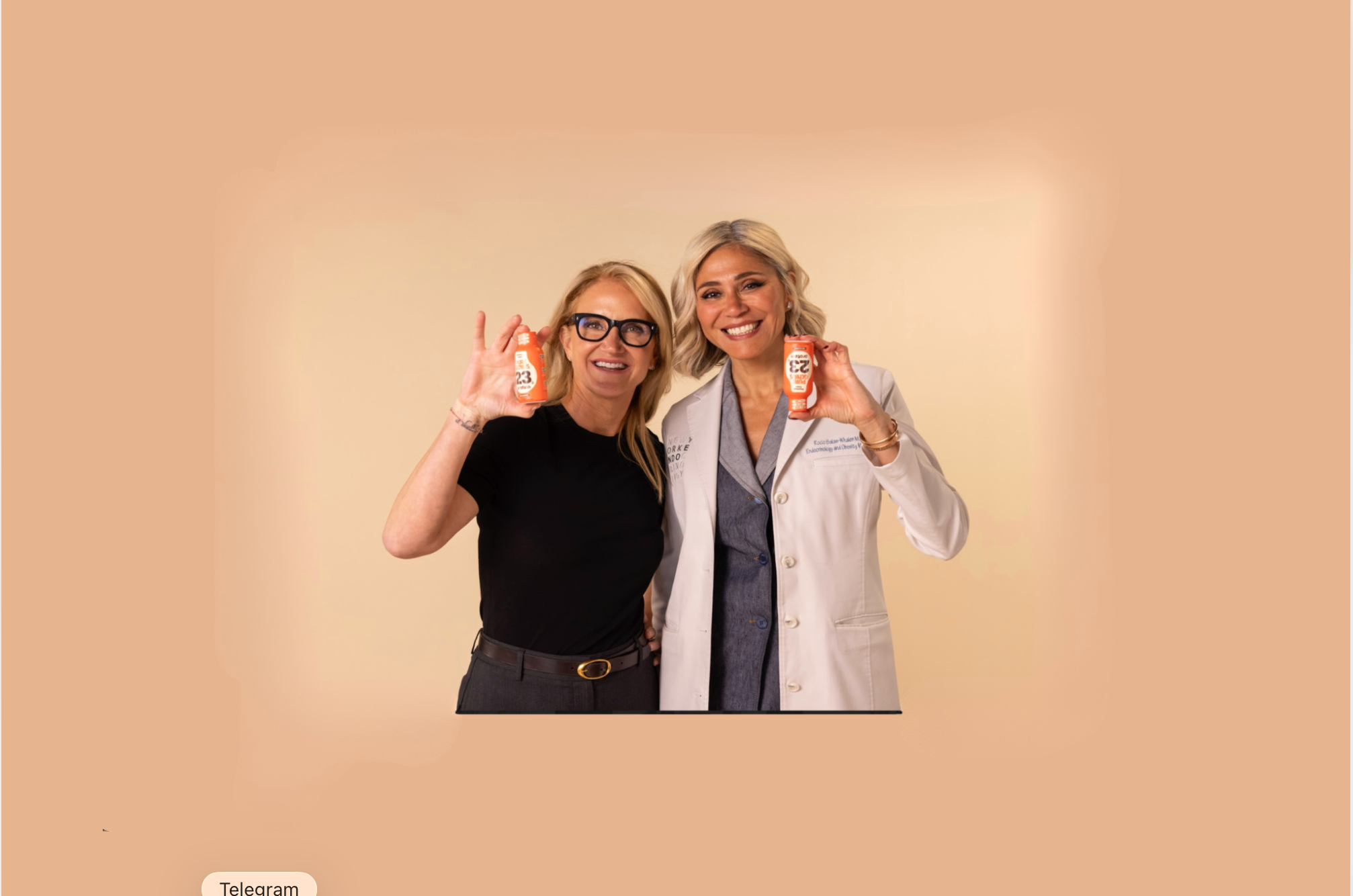
"The most practical solution I’ve found for post-workout protein, especially when I don’t have time to prep a meal, is a Pure Genius Protein shot. You get 23 grams of clean, doctor-formulated protein in seconds."

USE CODE DRROCIO FOR UP TO 35% OFF YOUR FIRST ORDER.

05

Get Consistent With Your Protein

What's happening: Building muscle is all about habits and consistency, and “habit stacking” (linking two habits together) is a great hack for reliably nailing both of them. One of the best ways to make sure you’re hitting your daily protein goal is to identify key times to prioritize protein. The post-workout window is as good a time as any to kick-start your growth and recovery, and linking these key habits together ensures you’ll always have the protein you need to make the most of your workout.

The science: After resistance training, muscle protein synthesis is elevated and your muscles are especially responsive to amino acid intake. Research shows that consuming protein within a few hours after a workout meaningfully supports the repair process, especially if you trained fasted or had not eaten much beforehand. The broader rule: don’t let more than 4–5 hours pass after a workout without a solid protein source.

What to do instead

  • Prepare a protein source before going to the gym to avoid relying on last-minute decisions
  • Aim for 20–30g of high-quality protein within a few hours of finishing your workout
  • If a full meal isn’t practical, a portable option supports consistency

The Bottom Line

Lifting is a long-term practice. The people who sustain it are not the ones who trained hardest in their 20s, but those who trained in a way that allowed them to continue into their 40s, 50s, and beyond.

Start lighter than you think you need to. Master the movements. Follow a structured program. Track your lifts. Support your training with adequate nutrition, especially protein, including after workouts.

You don’t need to learn this the hard way.

Want to go deeper? Weightless, a guide to metabolic health, hormones, and sustainable results, explains the science behind building a body that functions well at every stage of life. Find it here.

About The Author

Dr. Rocio Salas-Whalen is an endocrinologist and obesity specialist with over 20 years of experience, including more than 20 years of lifting. She is the author of Weightless, a guide to metabolic health, hormones, and sustainable results for women at every stage of life.

She focuses on translating complex science into practical guidance and combines clinical expertise with personal experience in her work.

📩 Follow Dr. Rocio: @drsalaswhalen on Instagram  |  https://www.nyendocrinology.com/dr-salas-whalen

If you want to learn more about your metabolic and hormone health, check out Dr. Rocio Salas-Whalen's latest book, Weightless, on Amazon

If you want to learn more about your metabolic and hormone health, check out Dr. Rocio Salas-Whalen's latest book, Weightless, on Amazon