
5 Unexpected Reasons Every Woman Should Be Lifting, From a Doctor Who’s Done It for 20 Years

You know lifting builds muscle. But the benefits most people don’t talk about, such as firmer skin, better mood, stronger bones, and more stable energy, may be even more compelling reasons to start.

Written By Dr. Rocio Salas-Whalen

Reviewed By Dr. Eric Trexler

Key Takeaways

  • Lifting changes the structure of your skin, making it thicker and firmer in ways no skincare product can replicate.
  • The research on lifting and mental health is not surprising. Multiple studies show it can help to reduce depression and anxiety as effectively as many clinical treatments.
  • More muscle helps your body regulate blood sugar, leading to more stable energy and fewer crashes.
  • Lifting is one of the best ways to actually build bone density, not just slow the loss. That distinction matters enormously as you get older.
  • Protein is the backbone of building muscle through lifting. Most women consume about half of what they need, which limits results.

"When women ask me about lifting, they usually want to know if it will help them lose weight or tone. Yes, it does both. But after nearly 30 years of lifting and over 15 years as an endocrinologist—those are not the reasons I lift. I lift to build and preserve muscle. Because muscle is the main character when it comes to metabolic health…and the foundation of independence as we age. Strong is not aesthetic. Strong is protective."

Dr. Rocio Salas-Whalen
Endocrinologist and obesity specialist, author of Weightless

01

Your Skin Gets Firmer From the Inside

The surprise: Most people know cardio gives you a post-workout glow. What many don’t realize is that lifting changes the structure of your skin in a way cardio does not.

The science: A 2023 study followed middle-aged women through 16 weeks of either cardio or resistance training. Both groups saw improvements in skin elasticity. But only the lifting group saw their skin get measurably thicker and firmer. Why? Lifting uniquely triggers the release of a few key molecules that tell your skin to strengthen its support structure.

What this means for you

  • The molecular response to lifting has a significant structural impact on skin
  • As a result of these structural changes, lifting builds firmer, thicker skin over time
  • This effect differs from cardio; both are useful, but they serve different roles for skin health


02

It’s One of the Best Things You Can Do for Your Mood

The surprise: Most people know exercise helps with stress. Fewer realize that resistance training specifically has strong evidence for reducing depression and anxiety. These effects go beyond mild mood improvement and can approach those seen in clinical treatments.

The science: Multiple large studies show that regular resistance training significantly reduces symptoms of both depression and anxiety across a variety of age groups. The reasons are layered: lifting improves regulation of stress hormones, enhances how your body uses blood sugar (which has a direct effect on mood), and creates the kind of trackable, measurable progress that builds real confidence over time. It also increases a key protein tied to brain cell growth, brain plasticity, and regulation of neurotransmitters. Even a single session produces a measurable drop in anxiety within hours.

What this means for you

  • Mood benefits appear across a wide range of training intensities
  • For women experiencing hormonal mood changes, including those observed during menopause, this is a useful and often underused approach
  • The effect builds over time with consistent training

03

Your Energy Becomes More Stable Throughout the Day

The surprise: Many women are surprised that lifting, not just cardio, significantly affects energy levels. The explanation is biological, and once you understand it, it becomes clear.

The science: Muscle tissue plays a central role in clearing glucose from the bloodstream, then storing it for later. The more muscle you have, the more efficiently your body processes carbohydrates. This leads to steadier energy, fewer spikes and crashes in blood sugar, and less of the foggy, fatigued feeling often experienced in the afternoon. Resistance training also improves this process at a cellular level, independent of total muscle mass.

What this means for you

  • More muscle = more stable blood sugar = more consistent energy throughout the day
  • The common afternoon slump is often linked to blood sugar regulation, and lifting can help address it
  • For women in perimenopause, when muscle loss can accelerate and the body often becomes less efficient at managing blood sugar, this becomes especially important
04

You Can Build Bone, Not Just Slow the Loss

The surprise: Many women know bone health becomes important with age. Fewer realize that lifting can build bone, not just slow its loss.

The science: Bone is living tissue that responds to mechanical stress by becoming stronger. When you lift weights, muscles apply force to bones, and this signals the body to deposit new bone material. A clinical trial in postmenopausal women with osteoporosis showed that resistance training increased spinal bone density by nearly 3% over eight months, while a control group lost bone over the same period. Activities like walking and yoga help maintain bone, but lifting can actually increase it.

What this means for you

  • The earlier you start, the more bone you build before menopause accelerates bone loss
  • Benefits are still possible later, including for women already diagnosed with bone loss
  • One in two women over 50 will experience an osteoporosis-related fracture. This risk can be dramatically reduced by lifting

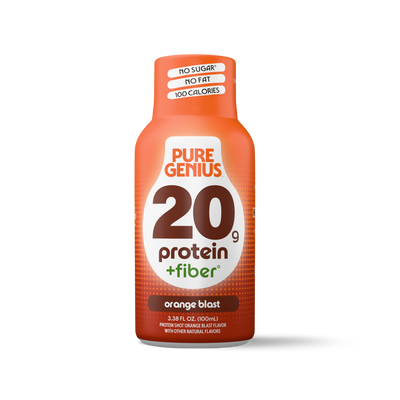
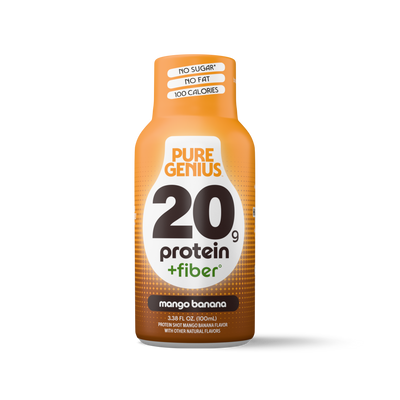
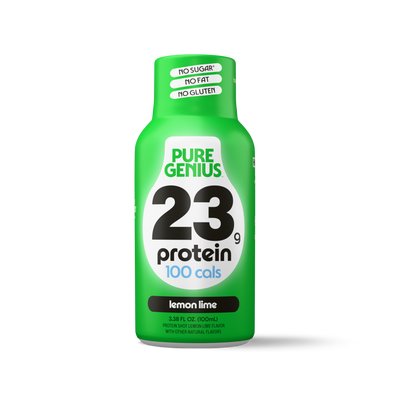
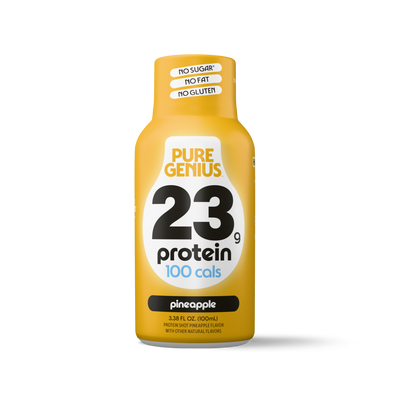
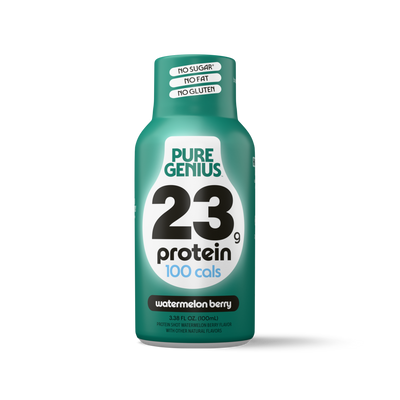
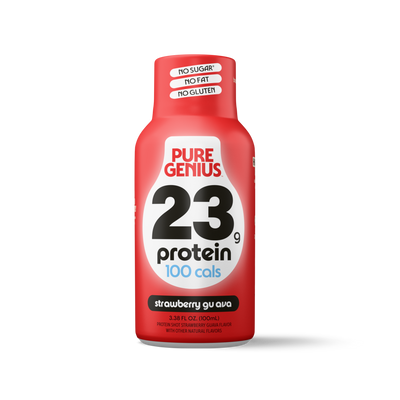
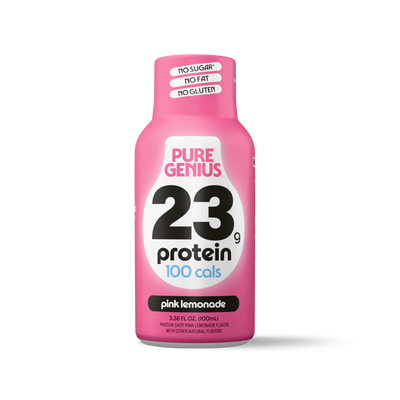
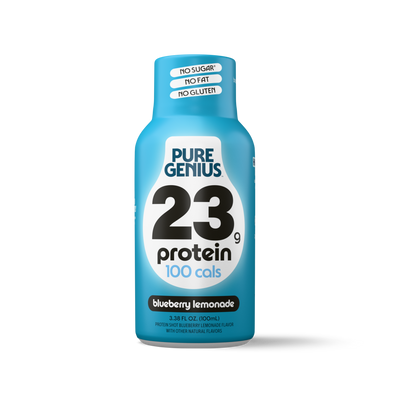
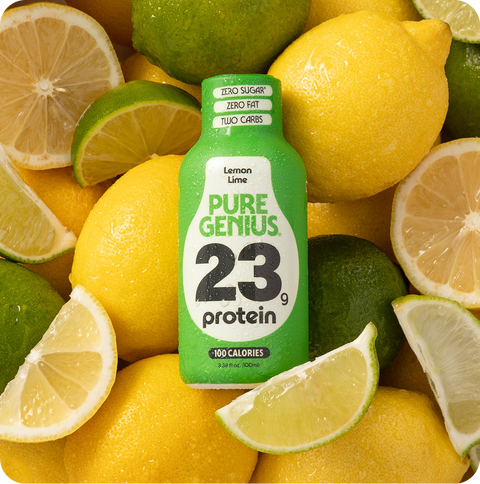
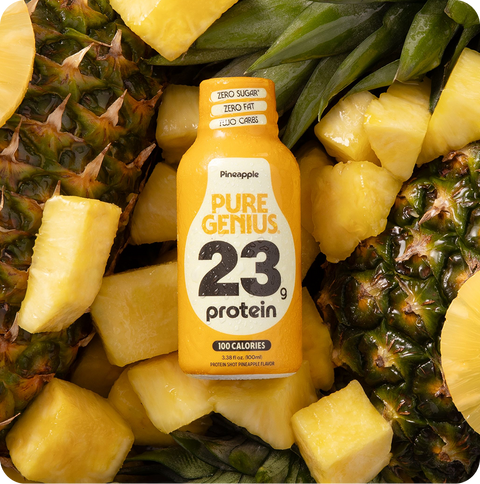
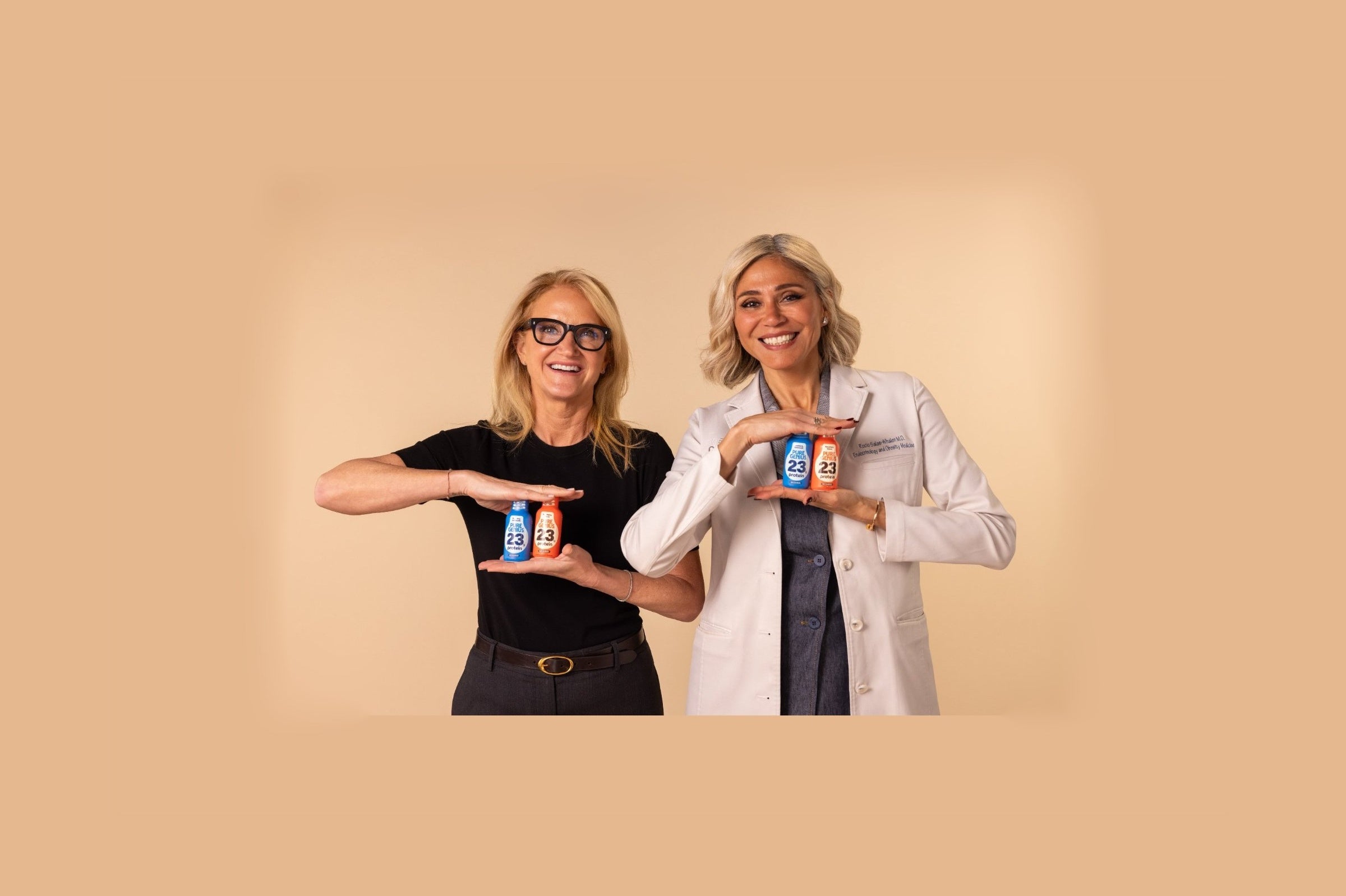
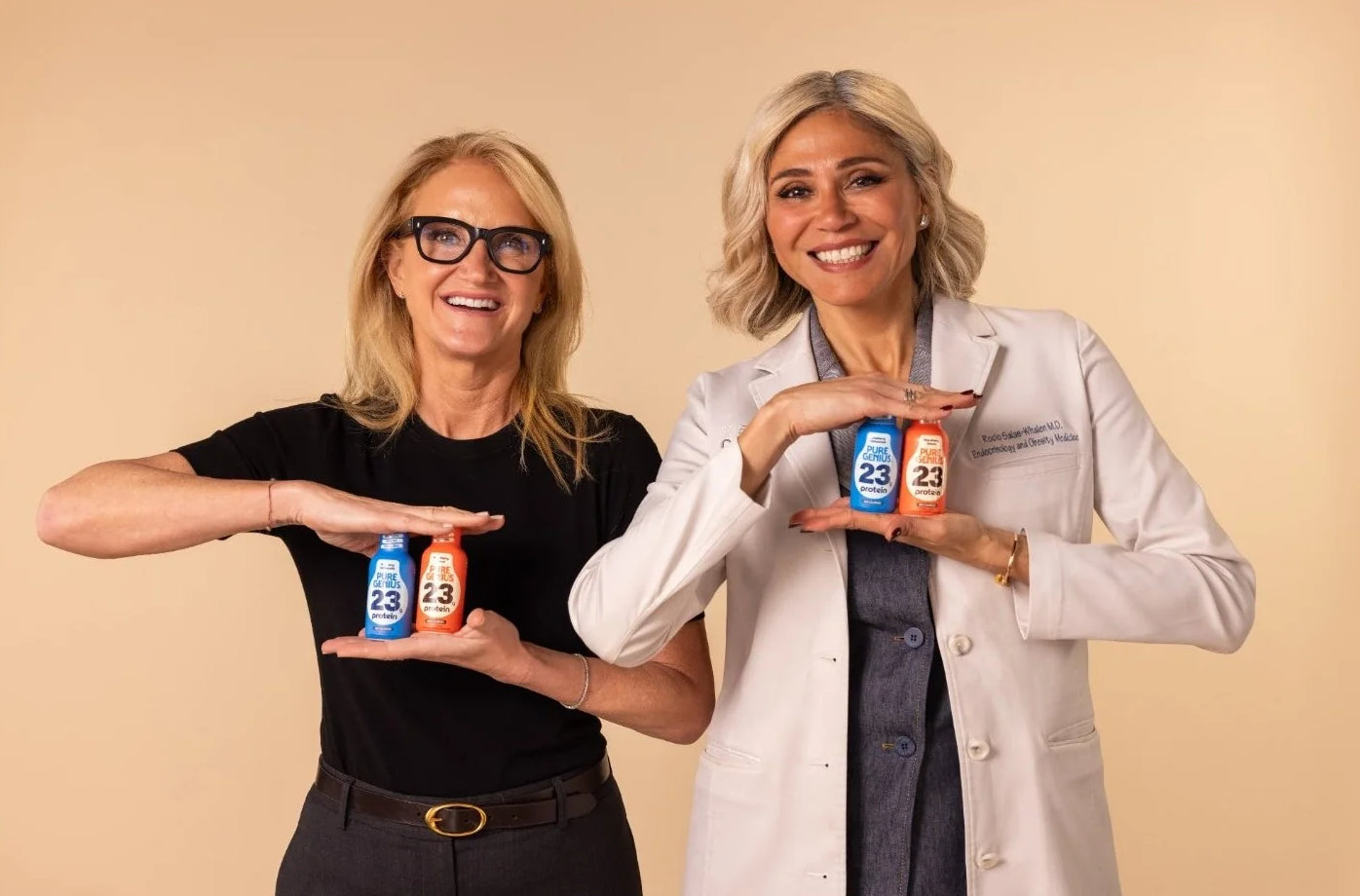
"If hitting your protein consistently is the challenge — especially on busy days or right after a workout — Pure Genius Protein shots make it almost frictionless. 23 grams of clean, doctor-formulated protein. No prep, no blender, no excuse to skip it."

USE CODE DRROCIO FOR UP TO 35% OFF.

05

Protein Boosts the Effects of Lifting, and Most Women Aren’t Getting It

The connection: Lifting provides numerous benefits, but they’re boosted by protein. Lifting provides the stimulus for change, and protein supplies the materials needed to support those changes. Without enough protein, results from lifting are more limited.

The science: The commonly cited recommendation of about 50 grams per day was designed to prevent protein deficiency in sedentary adults, not to optimize performance or recovery. Women who lift regularly often need roughly double that amount. For example, a 140-pound woman who trains three times per week may require between 100 and 140 grams per day to support results. Many women consume about half of this amount without realizing it. As we age, the body may also become less efficient at using protein for tissue repair, increasing requirements further.

What to do?

  • Track protein intake for one week to understand your baseline
  • Distribute intake across 3–4 meals, aiming for 20–40 grams per meal
  • Consume protein within 1–2 hours after training to kick-start the process of recovering and building bone and muscle

The Bottom Line

You may already know that lifting builds strength. It also supports skin structure, mood regulation, energy stability, bone density, and long-term metabolic health. These are not side effects; they are central outcomes.

For many women, the barrier is not a lack of interest but uncertainty about where to begin, or not eating enough to support the work they are already doing. Both can be addressed with practical changes.

Want to go deeper on the hormonal and metabolic science behind all of this? That’s exactly what Weightless is built around. Find it here

About The Author

Dr. Rocio Salas-Whalen is an endocrinologist and obesity specialist with over 20 years of experience, including more than 20 years of lifting. She is the author of Weightless, a guide to metabolic health, hormones, and sustainable results for women at every stage of life.

She focuses on translating complex science into practical guidance and combines clinical expertise with personal experience in her work.

📩 Follow Dr. Rocio: @drsalaswhalen on Instagram  |  https://www.nyendocrinology.com/dr-salas-whalen

If you want to learn more about your metabolic and hormone health, check out Dr. Rocio Salas-Whalen's latest book, Weightless, on Amazon

If you want to learn more about your metabolic and hormone health, check out Dr. Rocio Salas-Whalen's latest book, Weightless, on Amazon